Understanding why your teeth change after 60—and what to do about it in Johns Creek—is one of the most important steps toward lasting oral health. Your mouth goes through real, measurable changes as you age. Many of these changes are driven by medications, shifting gum tissue, and years of wear. The good news is that Dr. Arjun Parikh and the team at Johns Creek Dental Studio are here to help you navigate every one of them.
Seniors face a unique set of dental challenges. These are not just cosmetic concerns. Left unaddressed, they can affect your nutrition, confidence, and overall health. This guide breaks down what is actually happening in your mouth after 60 and what you can do about it right here in Alpharetta, GA.
How Aging Changes Your Oral Health After 60
Your teeth and gums do not stay static as you age. Enamel naturally wears thinner over decades of chewing, grinding, and acid exposure. This makes teeth more vulnerable to sensitivity, cracking, and decay. At the same time, gum tissue tends to recede, exposing softer root surfaces.
Root surfaces are not protected by enamel the way crowns are. That makes them far more susceptible to cavities. Many patients over 60 are surprised to develop new decay despite good hygiene habits. This type of decay—called root caries—is especially common in seniors.
Dry mouth is another major factor. Many common medications for blood pressure, diabetes, and depression reduce saliva flow. Saliva is your mouth’s natural defense against bacteria. Without enough of it, cavity risk increases significantly.
Here are some of the most common oral changes patients experience after 60:
- Thinning enamel and increased tooth sensitivity
- Gum recession exposing root surfaces
- Dry mouth caused by medications
- Root decay and new cavities in unexpected places
- Bone loss in the jaw, especially after tooth loss
- Ill-fitting dentures as jaw structure changes
Dry Mouth and Medications—What Johns Creek Seniors Need to Know
Dry mouth is not just uncomfortable. It is a serious dental risk factor. Over 400 common medications list dry mouth as a side effect. These include antihistamines, antidepressants, diuretics, and many blood pressure drugs.
Without adequate saliva, bacteria multiply faster. Acids linger on tooth surfaces longer. The result is accelerated decay, especially along the gumline and on root surfaces. Patients often do not connect their new cavities to their medications.
At Johns Creek Dental Studio, Dr. Parikh always reviews your current medications during your exam. This helps identify dry mouth risk early. Simple interventions—like prescription fluoride, saliva substitutes, or more frequent cleanings—can make a significant difference.
If you suspect dry mouth is affecting your oral health, do not wait. Early action prevents extensive damage. Talk to Dr. Parikh about a care plan tailored to your specific medications and health history.
Gum Recession, Root Decay, and Why Early Treatment Matters
Gum recession is one of the most overlooked issues in senior dental care. When gums pull back, they expose the root of the tooth. This root surface is covered in cementum—a softer material than enamel. It wears and decays much faster.
Root decay can progress quickly and silently. By the time you feel discomfort, the damage may already be significant. In some cases, this can lead to the need for a root canal treatment or even tooth extraction if caught too late.
Regular dental visits are essential for catching root decay early. Dr. Parikh uses thorough exams and X-rays to monitor areas that are hard to see at home. Catching a small cavity on a root surface early means a simple filling—not a complex procedure.
Gum recession also increases your risk of periodontal disease. Bacteria can gather in the pockets between your gums and teeth. Untreated periodontal disease has been linked to heart disease and diabetes complications. Treating it is not just about your mouth—it is about your whole body.
Dentures, Bridges, and Implants—Restoring Your Smile After 60
Tooth loss becomes more common after 60. Whether from decay, gum disease, or injury, missing teeth create real problems. They affect how you chew, how you speak, and how you feel about your smile. Fortunately, several reliable solutions exist.
Dentures remain a common and affordable option for replacing multiple missing teeth. However, they require adjustment over time. As jawbone naturally shrinks after tooth loss, dentures can become loose and uncomfortable. Regular dental checkups help keep them fitting properly.
Dental bridges are another option for replacing one or a few missing teeth. A bridge anchors to adjacent healthy teeth and fills the gap. This restores function and prevents surrounding teeth from shifting out of position.
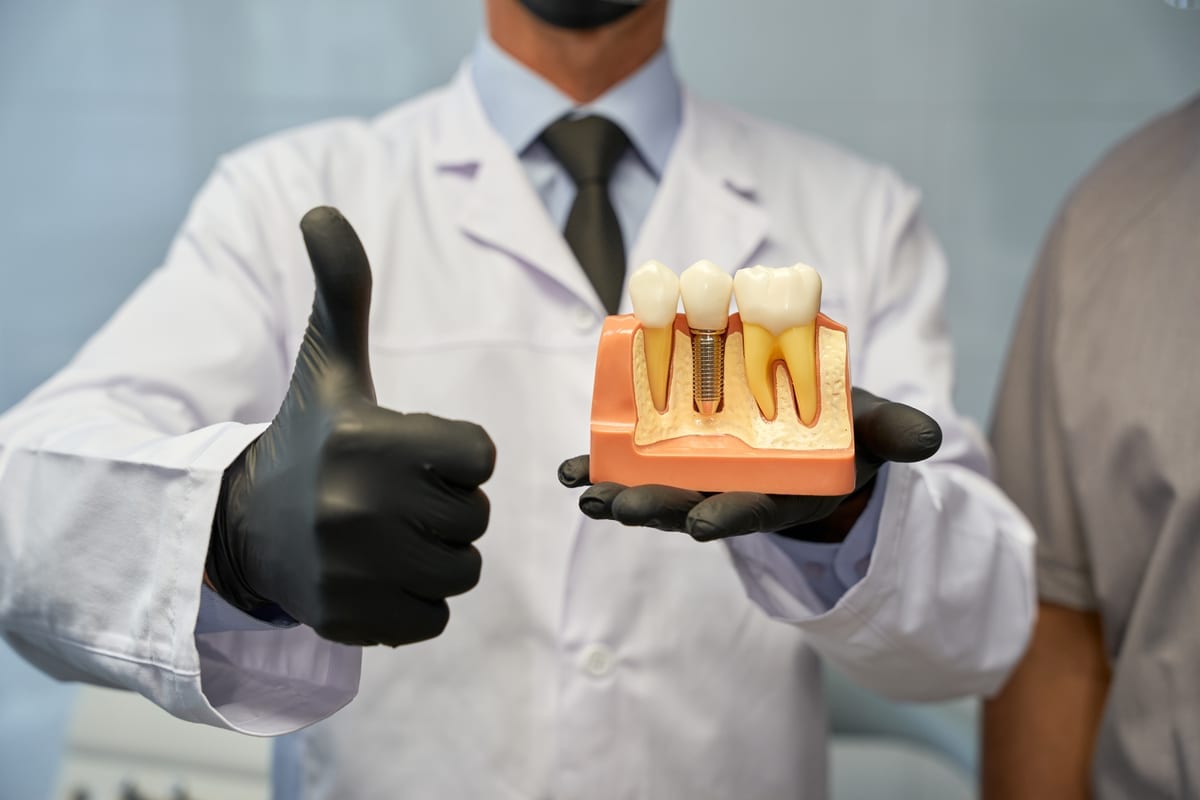
Dental implants are often the most durable long-term solution. They integrate with the jawbone and function like natural tooth roots. Many patients over 60 are excellent implant candidates. Dr. Parikh evaluates bone density, health history, and other factors to determine suitability. Age alone is rarely a barrier to implants.
Benefits of dental implants for seniors include:
- Preserved jawbone density over time
- No impact on adjacent healthy teeth
- Stable fit that does not shift while eating or speaking
- Easy maintenance with normal brushing and flossing
- Long-lasting results that support facial structure
Cosmetic and Restorative Options That Work for Mature Smiles
Aging does not mean you have to accept a smile you are unhappy with. Many seniors pursue Cosmetic Dentistry Johns Creek options to refresh their appearance and confidence. Treatments like teeth whitening, veneers, and smile makeovers are effective at any age.
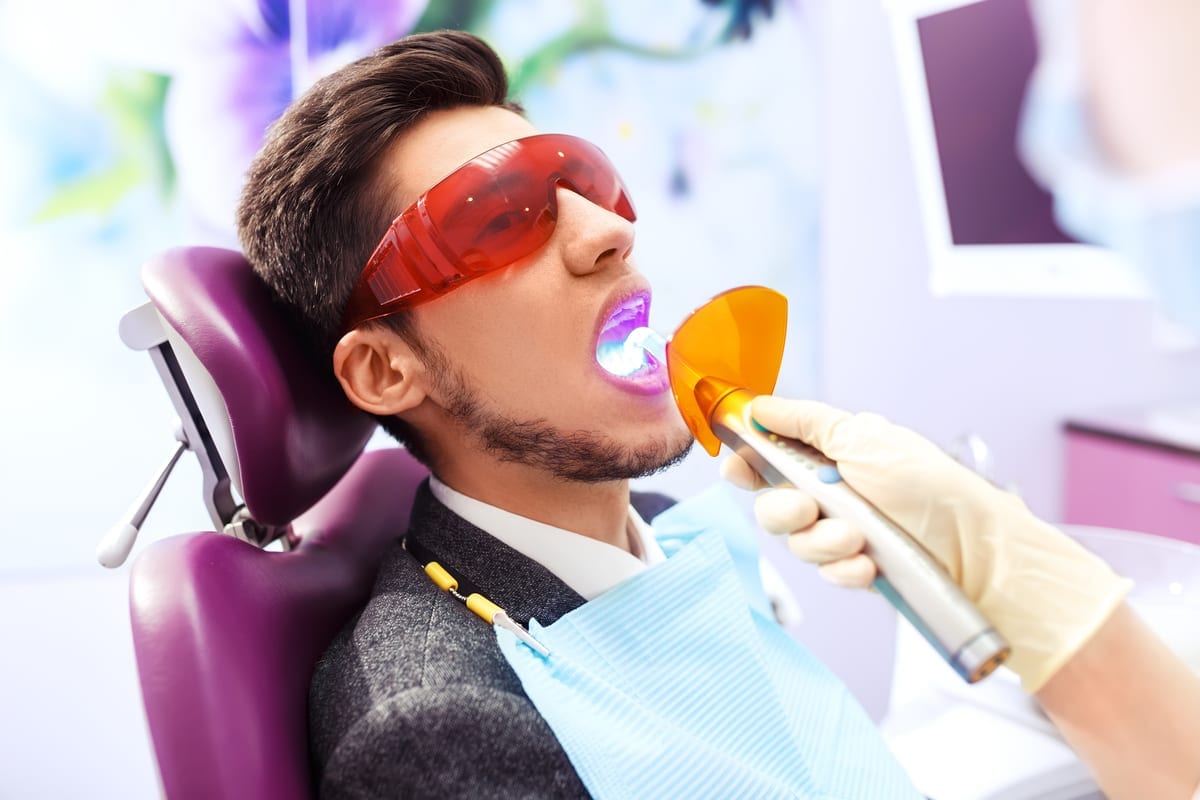
Teeth naturally yellow and darken over decades. Professional whitening can reverse years of staining safely. Veneers can address chips, cracks, and discoloration in a more lasting way. Dr. Parikh designs cosmetic treatments with both aesthetics and durability in mind.
It is important to address any underlying health issues before cosmetic work begins. Gum disease or untreated decay must be resolved first. Once your oral health is stable, cosmetic improvements can be both beautiful and long-lasting.
If you ever experience sudden tooth pain or a dental emergency, do not delay care. Emergency Dentistry Johns Creek services at Johns Creek Dental Studio are available to help you quickly and comfortably.
Building a Senior Dental Care Routine That Lasts
Preventive care becomes even more critical after 60. Twice-daily brushing with a fluoride toothpaste is essential. A soft-bristled brush is gentler on receding gums and sensitive root surfaces. Electric toothbrushes can make brushing easier for patients with arthritis or limited mobility.
Flossing daily removes bacteria from areas your brush cannot reach. Water flossers are a helpful alternative for those who find traditional floss difficult. Antimicrobial or fluoride mouth rinses can add an extra layer of protection against root decay.
Staying hydrated also helps combat dry mouth. Drinking water throughout the day stimulates saliva and rinses away food particles. Sugarless gum with xylitol can also boost saliva production between meals.
Most importantly, maintain regular visits with Dr. Parikh. Seniors often benefit from more frequent cleanings—every three to four months instead of every six. This schedule allows for early detection of decay, gum changes, and other age-related concerns before they become costly problems.
Frequently Asked Questions
Why do I suddenly have more cavities after age 60?
Many seniors experience new cavities due to gum recession exposing softer root surfaces. Dry mouth caused by medications also reduces saliva, which normally protects teeth from bacteria and acid. Dr. Parikh can identify your specific risk factors and recommend targeted preventive care.
Can I get dental implants if I am over 65?
Yes, age alone does not disqualify you from dental implants. Dr. Parikh evaluates bone density, overall health, and gum condition to determine candidacy. Many patients in their 60s, 70s, and beyond successfully receive implants and enjoy long-lasting results.
What can I do about dry mouth caused by my medications?
You should not stop your medications without consulting your physician. However, Dr. Parikh can recommend saliva substitutes, prescription fluoride treatments, and more frequent cleanings to protect your teeth. Staying hydrated and chewing xylitol gum also helps manage dry mouth symptoms.
How often should seniors visit the dentist?
Many seniors benefit from dental visits every three to four months rather than the standard six-month schedule. More frequent checkups allow early detection of root decay, gum recession, and other age-related changes. Your dentist will recommend the right schedule based on your individual risk level.
Is teeth whitening safe for older patients?
Professional teeth whitening is generally safe for healthy adult teeth at any age. However, sensitivity is more common in seniors due to thinner enamel and gum recession. Dr. Parikh will assess your oral health before recommending whitening to ensure it is appropriate for you.
Your smile deserves attentive, expert care at every stage of life. Dr. Arjun Parikh and the team at Johns Creek Dental Studio are proud to serve seniors in Alpharetta and the surrounding Johns Creek area. Book Now to schedule your appointment with our team.