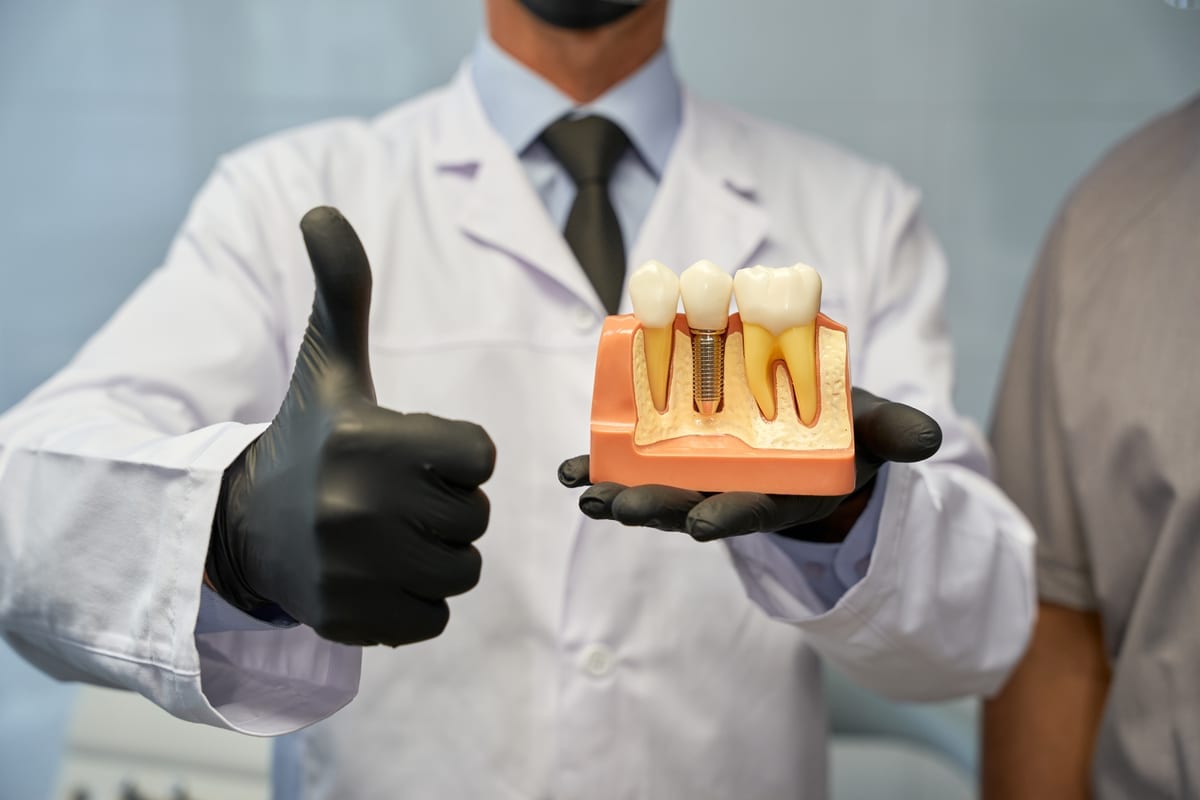
Many Alpharetta patients ask the same question before committing to treatment: can dental implants really last a lifetime, and here’s what matters most when making that decision. The short answer is yes — with the right conditions, implants can last 25 years or even a lifetime. But that outcome is never guaranteed by the procedure alone. It depends on a combination of biology, behavior, and professional care.
Dental implants are unlike any other tooth replacement option. They fuse directly to your jawbone through a process called osseointegration. This creates a stable, permanent foundation that mimics a natural tooth root. That fusion is what makes long-term success possible — but also what makes the right habits so important.
Understanding How Long Dental Implants Actually Last in Alpharetta
Clinical research consistently shows strong long-term outcomes for dental implants. Studies report survival rates above 95% at the 10-year mark. Many patients enjoy fully functional implants for 20 to 30 years or more. Some implants placed in the 1970s and 1980s are still functioning today.
However, there is an important distinction to understand. The titanium implant post itself is highly durable and rarely fails. The crown attached on top typically lasts 10 to 15 years before needing replacement. Protecting both components requires consistent daily effort and regular dental visits.
Patients across Alpharetta, Johns Creek, and surrounding communities are choosing implants for this reason. They offer a long-term investment in oral health rather than a short-term fix. Understanding the full picture helps you set realistic expectations from the start.
Key Factors That Shorten Implant Lifespan
Not every implant story ends well. Several factors can lead to early implant failure or reduced longevity. Knowing these risks helps you take proactive steps before and after your procedure.
The most common threats to implant survival include:
- Poor oral hygiene — Bacteria buildup around the implant site leads to peri-implantitis, a serious gum infection
- Smoking and tobacco use — Nicotine restricts blood flow and slows the healing process significantly
- Uncontrolled diabetes — High blood sugar impairs osseointegration and raises infection risk
- Teeth grinding (bruxism) — Excessive force can crack the crown or loosen the implant post
- Skipping dental check-ups — Early warning signs go undetected without regular professional monitoring
- Bone loss — Insufficient bone density at the implant site compromises long-term stability
Many of these risks are manageable. Your dentist can help you address them before placing the implant. Honest communication with Dr. Parikh at Johns Creek Dental Studio makes a real difference in your outcome.
What You Can Do to Make Your Implants Last a Lifetime
The good news is that most patients have significant control over their implant longevity. Daily habits and consistent professional care are the two biggest factors you can influence. Think of it the same way you would care for your natural teeth — only with even more consistency.
Here are the most effective steps to protect your investment:
- Brush twice daily using a soft-bristled toothbrush and non-abrasive toothpaste
- Floss daily around the implant crown using implant-safe floss or an interdental brush
- Use an antibacterial mouth rinse to reduce bacterial load around the gum line
- Attend professional cleanings every six months — or more frequently if recommended
- Wear a custom nightguard if you grind your teeth during sleep
- Avoid chewing on hard objects like ice, pens, or hard candy
- Quit smoking or seek support to reduce tobacco use before and after surgery
These steps are not complicated, but they require discipline. Patients who follow through consistently report far better long-term outcomes. Dr. Parikh and the team at Johns Creek Dental Studio are happy to create a personalized maintenance plan for you.
The Role of Your Dentist in Long-Term Implant Success
Your behavior at home matters enormously — but so does the expertise of your dental provider. Implant placement is a technically precise procedure. The angulation, depth, and positioning of the implant post all affect how well it integrates with the bone. Choosing a skilled, experienced provider reduces the risk of early failure.
At Johns Creek Dental Studio, Dr. Arjun Parikh takes a comprehensive approach to implant care. This includes a thorough evaluation of your bone density, gum health, and medical history before any procedure begins. If issues like gum disease or bone loss are present, those are addressed first. This preparation phase is critical to setting up a successful long-term result.
Ongoing monitoring is equally important after placement. Regular X-rays help detect subtle bone changes before they become serious problems. If the crown wears down, it can be replaced without disturbing the implant post. This proactive approach is a key part of how patients in Alpharetta protect their implant investment for decades.
Implants also connect naturally with broader smile goals. Many patients explore Cosmetic Dentistry Alpharetta options alongside implant treatment to achieve a complete smile transformation. And if an implant or crown issue arises suddenly, Emergency Dentistry Alpharetta services are available to address urgent concerns quickly.
Are You a Good Candidate for Long-Lasting Implants?
Most healthy adults are strong candidates for dental implants. Good candidates typically have adequate jawbone density and healthy gum tissue. They are also committed to maintaining oral hygiene and attending follow-up appointments. Age alone is rarely a disqualifying factor.
Certain conditions require extra evaluation before proceeding. These include active gum disease, significant bone loss, or certain systemic health conditions. The team at Johns Creek Dental Studio will review your full health profile before recommending treatment. This careful vetting process helps ensure you get results that truly last.
If you are in Alpharetta and wondering whether implants are right for you, the best first step is a consultation. You will leave with a clear picture of your oral health and a realistic plan tailored to your specific needs.
Conclusion: Making the Right Choice for Your Smile in Alpharetta
Dental implants have a remarkable track record when patients and providers work together. The titanium post can last a lifetime with the right care. The crown component may need occasional replacement, but the foundation beneath it remains strong. Success comes down to preparation, placement, and consistent long-term maintenance.
Dr. Arjun Parikh and the Johns Creek Dental Studio team are committed to helping Alpharetta patients achieve durable, confident smiles. Whether you are just starting to explore implants or ready to move forward, expert guidance makes all the difference. Book Now to schedule your appointment with our team.
Frequently Asked Questions
How long do dental implants typically last?
The implant post can last a lifetime with proper care, while the crown typically lasts 10 to 15 years before needing replacement. Overall implant survival rates exceed 95% at 10 years in most clinical studies. Daily hygiene and regular dental visits are the most important factors in maximizing longevity.
What is the most common reason dental implants fail?
Peri-implantitis — a bacterial infection of the gum and bone surrounding the implant — is the leading cause of implant failure. Poor oral hygiene and smoking are the biggest contributors to this condition. Addressing these risk factors before and after surgery dramatically improves long-term outcomes.
Can smokers get dental implants that last long-term?
Smokers can receive dental implants, but tobacco use significantly increases the risk of failure. Nicotine restricts blood flow and slows the healing process needed for osseointegration. Quitting or significantly reducing smoking before and after the procedure improves the chances of long-term success.
Do I still need to see the dentist regularly after getting implants?
Yes, regular dental visits are essential even after implants are placed. Professional cleanings remove bacterial buildup that home brushing cannot fully address. Routine X-rays also allow your dentist to monitor bone levels and catch any early signs of implant complications before they become serious.
What happens if my implant crown wears out?
If the crown on top of your implant chips, cracks, or wears down over time, it can be replaced without disturbing the implant post itself. This is a relatively straightforward procedure in most cases. The implant post beneath remains intact, so you do not need to start the entire process over again.