Many Alpharetta patients ask the same question before their first whitening appointment: is professional teeth whitening safe for your enamel and gums? It is a fair concern. You want a brighter smile, but not at the cost of your dental health. The good news is that professional whitening, performed under a dentist’s supervision, is considered safe for most healthy adults. This article walks you through what the research shows, what risks exist, and who should think twice before whitening.
How Professional Teeth Whitening Works on Enamel
Professional whitening uses hydrogen peroxide or carbamide peroxide as the active ingredient. These agents penetrate the enamel surface and break apart stain molecules inside the tooth. The process targets discoloration without removing enamel structure. That distinction matters a great deal for your long-term dental health.
Some patients worry that whitening chemicals will erode enamel. Studies consistently show that professional-strength gels, used correctly, do not cause permanent enamel loss. Temporary mineral changes can occur during treatment. However, saliva naturally remineralizes enamel after each session.
Over-the-counter strips and gels are a different story. They often have inconsistent peroxide concentrations. Misuse can increase sensitivity and, over time, cause minor surface changes. Professional treatment at Johns Creek Dental Studio is closely monitored to minimize those risks.
Is Professional Teeth Whitening Safe for Your Gums in Alpharetta?
Gum safety is another top concern for patients considering whitening. High-concentration peroxide can irritate soft tissue if it contacts the gums directly. In a professional setting, Dr. Arjun Parikh uses protective barriers to shield your gum tissue throughout treatment. This step dramatically reduces the chance of chemical irritation.
Some patients still notice mild gum sensitivity after a session. This discomfort is usually temporary and resolves within a day or two. It is not a sign of lasting damage. Using a soft-bristled toothbrush and avoiding very hot or cold foods helps ease that short-term sensitivity.
If you already have gum disease, receding gums, or open sores in your mouth, whitening is not recommended until those conditions are treated first. Exposed root surfaces do not respond to whitening agents the same way enamel does. They are also more vulnerable to irritation from peroxide gels.
Who Should Avoid or Delay Teeth Whitening?
Professional whitening is not right for every patient. Certain conditions make whitening less effective or potentially harmful. Knowing these ahead of time helps you make a smart decision about your care.
Patients who should postpone or avoid whitening include:
- Those with untreated cavities or cracked teeth
- Patients with active gum disease or significant gum recession
- Individuals with dental restorations like crowns, veneers, or bonding on front teeth (restorations do not whiten like natural enamel)
- Pregnant or nursing women
- Children and teenagers whose teeth are still developing
- Patients with known peroxide allergies or extreme tooth sensitivity
Dr. Parikh always performs a thorough exam before recommending whitening. Identifying these factors early protects you and helps set realistic expectations for your results.
What to Expect During a Professional Whitening Visit
Understanding the process can ease any anxiety you feel before your appointment. Here is a simple breakdown of what happens during a professional whitening session at Johns Creek Dental Studio:
- Dental exam: Dr. Parikh checks your teeth and gums to confirm you are a good candidate.
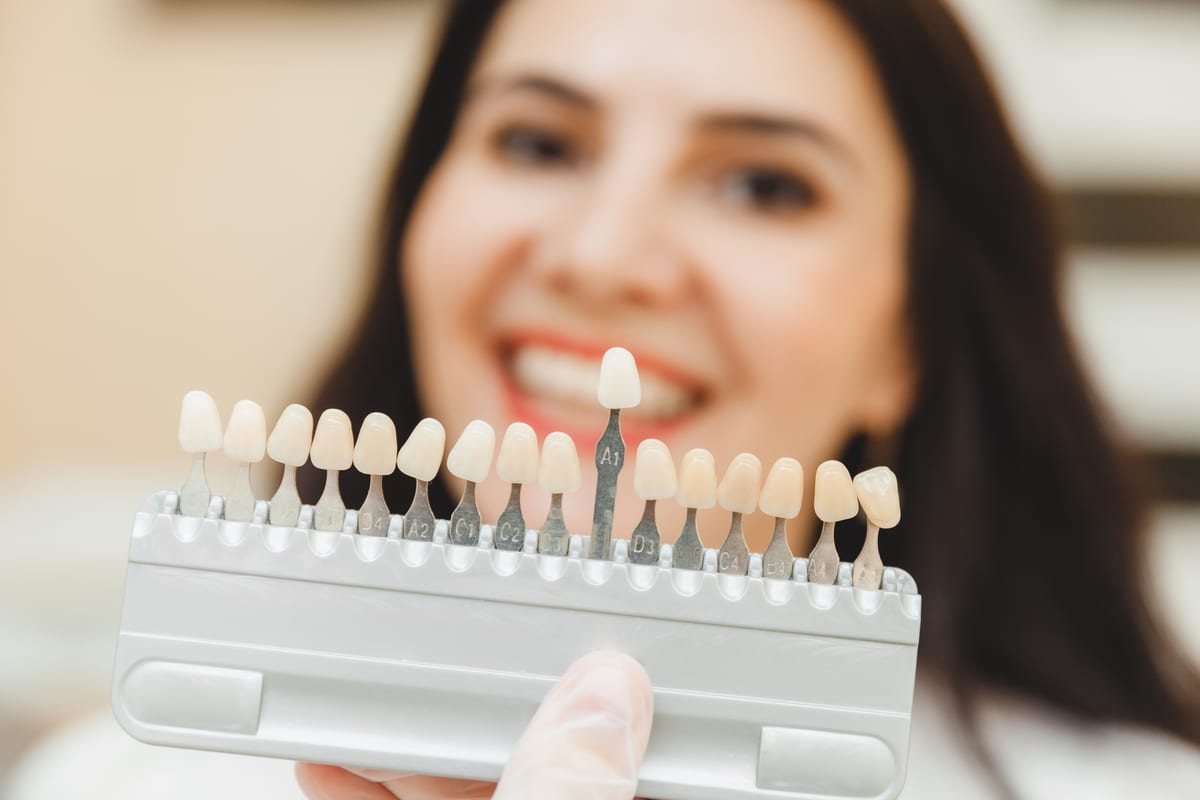
- Shade assessment: Your current tooth shade is recorded so progress can be measured.
- Gum protection: A rubber dam or protective gel is applied to shield your soft tissue.
- Gel application: Professional-grade whitening gel is applied to the tooth surfaces.
- Activation: A special light may be used to enhance the gel’s effectiveness.
- Rinse and review: The gel is removed, and your new shade is compared to the baseline.
Most in-office sessions take about 60 to 90 minutes. Many patients see results several shades lighter after a single visit. Follow-up care at home with dentist-prescribed trays can extend and maintain those results.
Managing Sensitivity After Whitening
Tooth sensitivity is the most common side effect of professional whitening. It occurs because peroxide temporarily opens microscopic pores in enamel, exposing the inner dentin layer. Most sensitivity fades within 24 to 48 hours after treatment. It is not a sign that whitening has damaged your teeth.
Several strategies help manage post-whitening sensitivity effectively:
- Use a sensitivity toothpaste containing potassium nitrate or stannous fluoride
- Avoid very hot, cold, or acidic foods and drinks for 48 hours
- Space out whitening sessions to give enamel time to recover
- Ask Dr. Parikh about fluoride treatments that can strengthen enamel between sessions
- Switch to a soft-bristled toothbrush temporarily
If sensitivity feels severe or lasts more than a few days, contact your dentist promptly. In rare cases, existing dental issues like a cracked tooth or deep decay can amplify discomfort. Conditions like these should be addressed through appropriate care — which may include Root Canal Treatment if infection or nerve involvement is present.
When to Seek Emergency Care After Whitening
Whitening is generally safe, but unexpected reactions can occasionally occur. Seek prompt attention if you experience sharp, prolonged tooth pain that does not resolve within two days. Sudden swelling of the gums or lips also warrants immediate evaluation. These symptoms are uncommon but should never be ignored.
Johns Creek Dental Studio offers Emergency Dentistry for patients in Alpharetta who experience urgent dental concerns. Same-day care is available for situations that cannot wait for a routine appointment. Your comfort and safety are always the priority at our practice.
Conclusion
Professional teeth whitening is a safe, effective option for most healthy adults in Alpharetta. Enamel and gum risks are minimal when treatment is performed by a trained dentist using professional-grade materials. The key is a proper evaluation before treatment and following aftercare instructions carefully. Dr. Arjun Parikh and the team at Johns Creek Dental Studio are here to guide you every step of the way. Book Now to schedule your appointment with our team.
Frequently Asked Questions
Does professional teeth whitening permanently damage enamel?
No. Research consistently shows that professionally supervised whitening does not cause permanent enamel damage. Temporary mineral changes may occur, but saliva naturally restores enamel after each session. Using dentist-approved products and following aftercare guidelines keeps your enamel healthy.
How long does sensitivity last after professional whitening?
Most patients experience sensitivity for 24 to 48 hours after treatment. This is a normal response to the peroxide gel opening microscopic pores in enamel. Using a sensitivity toothpaste and avoiding extreme temperatures speeds recovery. Severe or prolonged sensitivity should be reported to your dentist.
Can I whiten my teeth if I have crowns or veneers?
Whitening gels do not change the color of dental restorations like crowns, veneers, or bonding. This means treated teeth may end up a different shade from your restorations. Dr. Parikh will assess your existing dental work before recommending whitening and discuss realistic outcomes with you.
Is in-office whitening safer than over-the-counter products?
Yes, in most cases. In-office whitening uses carefully controlled concentrations of peroxide applied by a trained professional. Gum tissue is protected throughout the process. Over-the-counter products carry a higher risk of misuse, uneven results, and gum irritation due to inconsistent formulations.
How often can I safely get my teeth whitened?
Most dentists recommend professional whitening no more than once or twice per year for maintenance. Overuse can increase sensitivity and may contribute to enamel wear over time. Dr. Parikh will create a whitening schedule tailored to your dental health and cosmetic goals during your consultation.