You invested in a brighter smile — and it looked amazing at first. But now, just weeks later, you are wondering why your teeth whitening results fading fast in Alpharetta seem unavoidable. The truth is, certain everyday habits quietly undo all that work. At Johns Creek Dental Studio, Dr. Arjun Parikh helps patients in Alpharetta, GA understand exactly what shortens whitening results — and how to protect them for longer.
How Long Do Teeth Whitening Results Actually Last?
Professional teeth whitening results typically last between six months and two years. That wide range depends almost entirely on your daily habits. Some patients maintain a bright smile for well over a year with the right care. Others see noticeable fading within just a few weeks.
The whitening process opens tiny pores in your enamel to lift stains. After treatment, those pores gradually close again. During that window — and beyond — your teeth are especially vulnerable to re-staining. Understanding this helps you make smarter choices every single day.
Here is what most patients do not realize: your diet and lifestyle choices matter far more than the strength of your whitening treatment. Even the best professional-grade gel cannot fight daily staining habits. Let us look at the three most damaging ones.
Habit 1: Daily Coffee and Tea Are Quietly Staining Your Smile
Coffee and tea are the number one culprits behind fading whitening results in Alpharetta and beyond. Both drinks contain tannins — compounds that bond directly to tooth enamel. Over time, those tannins build up and create a yellowish or brownish tint.
Dark roast coffee is especially aggressive. Even black tea, often seen as a healthier choice, stains just as badly as coffee. Herbal teas are generally safer, but they are not entirely stain-free either.
Try these practical swaps to reduce staining from coffee and tea:
- Drink through a straw to limit contact with your enamel
- Rinse your mouth with water immediately after your cup
- Wait at least 30 minutes after whitening before drinking coffee
- Limit yourself to one or two cups per day instead of sipping all morning
You do not have to quit your morning coffee entirely. Small adjustments can make a meaningful difference in how long your whitening results hold up.
Habit 2: Red Wine Is One of the Worst Offenders
Red wine combines two enamel-staining forces: tannins and chromogens. Chromogens are intensely pigmented molecules that attach firmly to tooth surfaces. Together, these compounds make red wine one of the most aggressive staining beverages you can consume.
White wine is not entirely innocent either. Its high acidity softens enamel, making it easier for other foods and drinks to stain your teeth afterward. Many people drink white wine at dinner with darkly colored foods — a double staining effect.
Here are smarter habits around wine consumption:
- Eat cheese or other protein-rich foods while drinking wine — they help protect enamel
- Rinse with water between sips and after finishing your glass
- Avoid brushing immediately after wine — wait at least 30 minutes
- Schedule a professional cleaning every six months to remove surface buildup
Enjoying wine occasionally is perfectly fine. The key is minimizing prolonged contact with your teeth and building a consistent post-drink rinsing habit.
Habit 3: Smoking and Tobacco Use Destroys Whitening Results Fast
If coffee and wine are bad for whitening results, smoking is in a category of its own. Tobacco smoke contains nicotine and tar — two substances that penetrate enamel deeply and rapidly. Even a few cigarettes per day can reverse professional whitening results within weeks.
Smokeless tobacco products cause the same level of damage. Chewing tobacco sits directly against your teeth for extended periods. This creates heavily concentrated staining that is extremely difficult to reverse.
Beyond cosmetic concerns, tobacco use significantly increases your risk of gum disease and oral cancer. Quitting is the single best thing you can do for both your smile and your overall health. Dr. Arjun Parikh can connect you with resources to help if you are ready to stop.
Practical Tips to Make Your Whitening Results Last Longer in Alpharetta
Now that you know the three biggest habits to stop, let us talk about what you can actively do. Protecting your investment in a whiter smile does not require dramatic lifestyle changes. Consistent small habits add up quickly.
Start with your at-home oral care routine. Brush twice daily with a whitening toothpaste to remove surface stains before they set. Floss every evening to clear debris from between teeth where staining builds up unseen. Use an alcohol-free whitening mouthwash for an extra layer of protection.
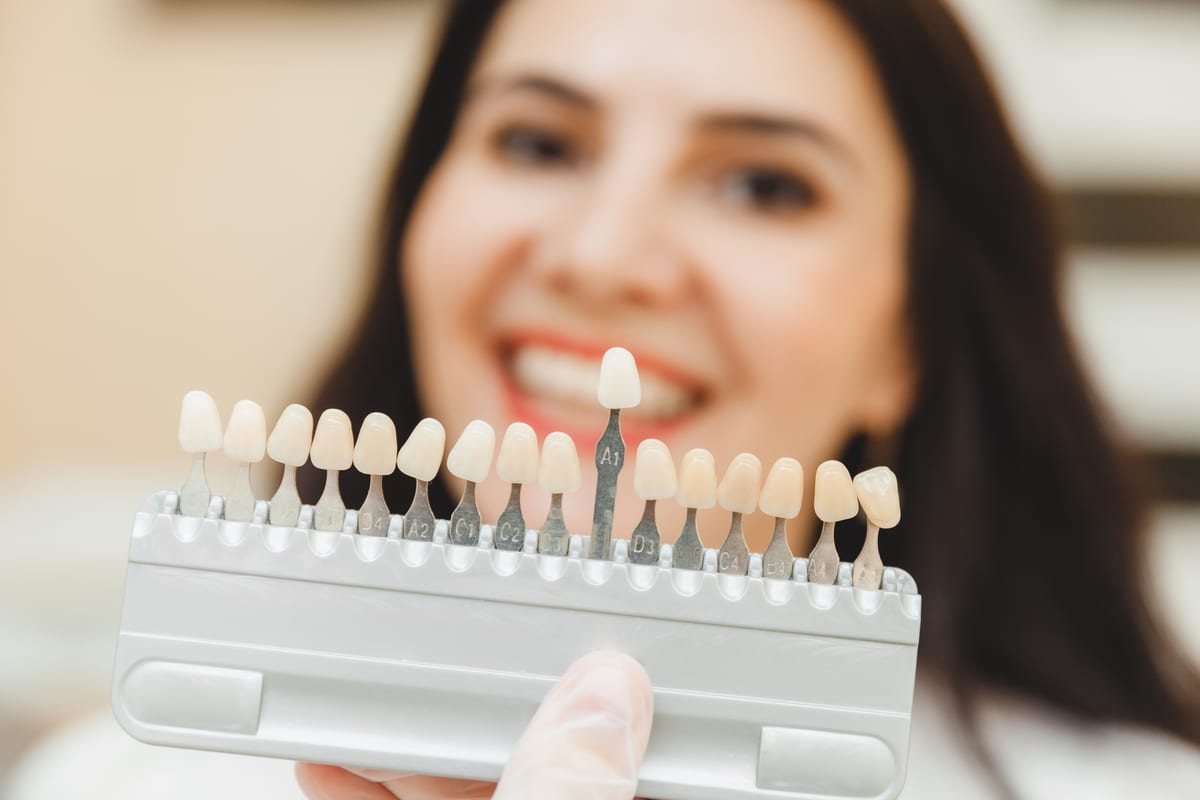
Touch-up whitening treatments are another smart strategy. Dr. Parikh offers take-home whitening trays that let you maintain your results between professional visits. Used once a month or as directed, they keep your smile bright with minimal effort. Ask about Cosmetic Dentistry options at your next appointment to find the right maintenance plan for your lifestyle.
Stay on top of your professional cleanings every six months. Hygienists remove tartar and surface staining that your toothbrush simply cannot reach. Regular cleanings are the foundation of any long-term whitening maintenance plan.
When to See Dr. Parikh for a Whitening Refresh
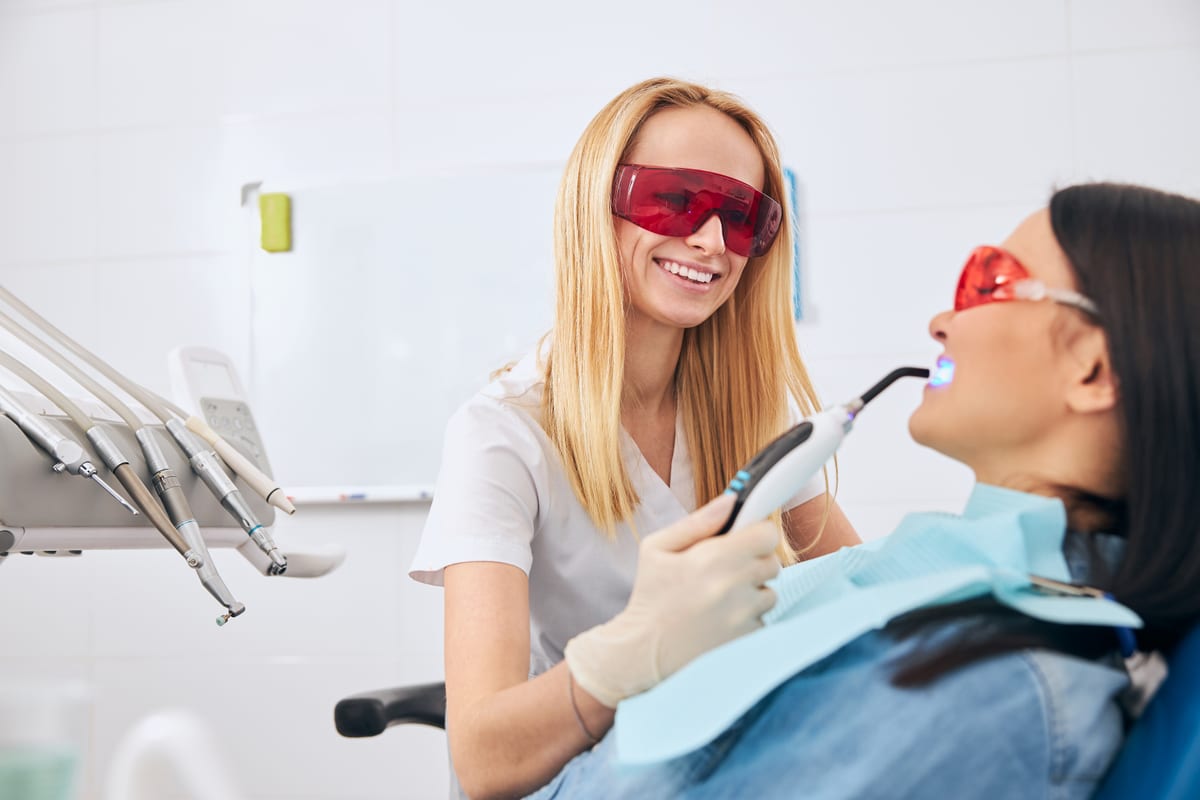
Even with the best habits, whitening results will eventually fade. That is completely normal. Most patients benefit from a professional touch-up treatment once or twice per year. Scheduling this around life events — weddings, reunions, professional headshots — helps you always look your best.
If your teeth have become sensitive after whitening, do not ignore it. Sensitivity is common but manageable. Dr. Parikh may recommend a sensitivity-reducing toothpaste or adjust your whitening protocol. Never push through pain on your own without professional guidance.
If you experience sudden tooth pain or notice unusual discoloration that does not respond to whitening, contact us right away. These may be signs of a deeper issue requiring attention from our Emergency Dentistry team. Catching problems early always leads to better outcomes.
Your smile is worth protecting. With the right habits and a trusted dental partner in Alpharetta, you can keep your whitening results looking fresh far longer than you might expect. Book Now to schedule your appointment with our team.
Frequently Asked Questions
How long do professional whitening results last on average?
Professional teeth whitening results typically last between six months and two years. The exact timeline depends heavily on your daily habits, including your diet and oral hygiene routine. Patients who avoid staining foods and drinks and brush regularly tend to enjoy longer-lasting results.
Can I drink coffee after getting my teeth whitened?
It is best to avoid coffee for at least 48 hours after a whitening treatment. During this window, your enamel pores are more open and vulnerable to staining. After that period, drinking through a straw and rinsing with water afterward can help minimize staining over time.
Does smoking really affect teeth whitening results that much?
Yes — smoking is one of the most damaging habits for whitening results. Nicotine and tar penetrate enamel quickly and deeply, often reversing professional whitening within weeks of regular tobacco use. Quitting tobacco is the most effective way to preserve your whitening results and protect your overall oral health.
How often should I schedule touch-up whitening treatments?
Most patients benefit from a professional touch-up once or twice per year. At-home whitening trays prescribed by Dr. Parikh can also help you maintain brightness between visits. The right frequency depends on your diet, lifestyle, and how quickly your results tend to fade.
Is teeth whitening safe for sensitive teeth?
Teeth whitening can be performed safely on sensitive teeth with the right approach. Dr. Arjun Parikh at Johns Creek Dental Studio evaluates each patient individually before recommending a whitening protocol. Using lower-concentration gels, sensitivity-reducing toothpaste, and spacing out treatments can make whitening comfortable even for sensitive patients.