Understanding your dental implant recovery week-by-week timeline and care guide in Alpharetta is essential to a smooth healing process. At Johns Creek Dental Studio, Dr. Arjun Parikh wants every patient to feel confident and informed after their procedure. Knowing what to expect helps reduce anxiety and supports better outcomes. This guide walks you through each stage of recovery from day one to long-term success.
What Happens Immediately After Your Implant Placement
The first 24 to 48 hours after surgery are the most critical. Your body begins the natural healing process right away. You may notice swelling, mild bleeding, and some discomfort at the surgical site. These are all completely normal responses to the procedure.
Dr. Parikh recommends keeping your head elevated, especially when resting or sleeping. This simple step reduces swelling significantly. Avoid rinsing vigorously or spitting forcefully during this initial period. Doing so can disrupt the blood clot that protects your implant site.
Cold compresses applied to your cheek can ease swelling during the first day. Use them in 20-minute intervals for best results. Take any prescribed medications exactly as directed. Most patients find discomfort manageable with over-the-counter pain relievers by day two.
Your Week-by-Week Recovery Timeline in Alpharetta
Recovery from dental implants unfolds in predictable stages. Here is a clear breakdown of what most patients experience each week.
- Week 1: Swelling peaks around day three, then gradually subsides. Stick to soft foods only. Avoid hot liquids and physical exertion.
- Week 2: Most swelling and bruising should fade noticeably. You can begin introducing slightly firmer foods. Sensitivity may still be present around the implant site.
- Week 3–4: Discomfort becomes minimal for most patients. Normal daily activities resume comfortably. Continue avoiding hard, crunchy, or chewy foods.
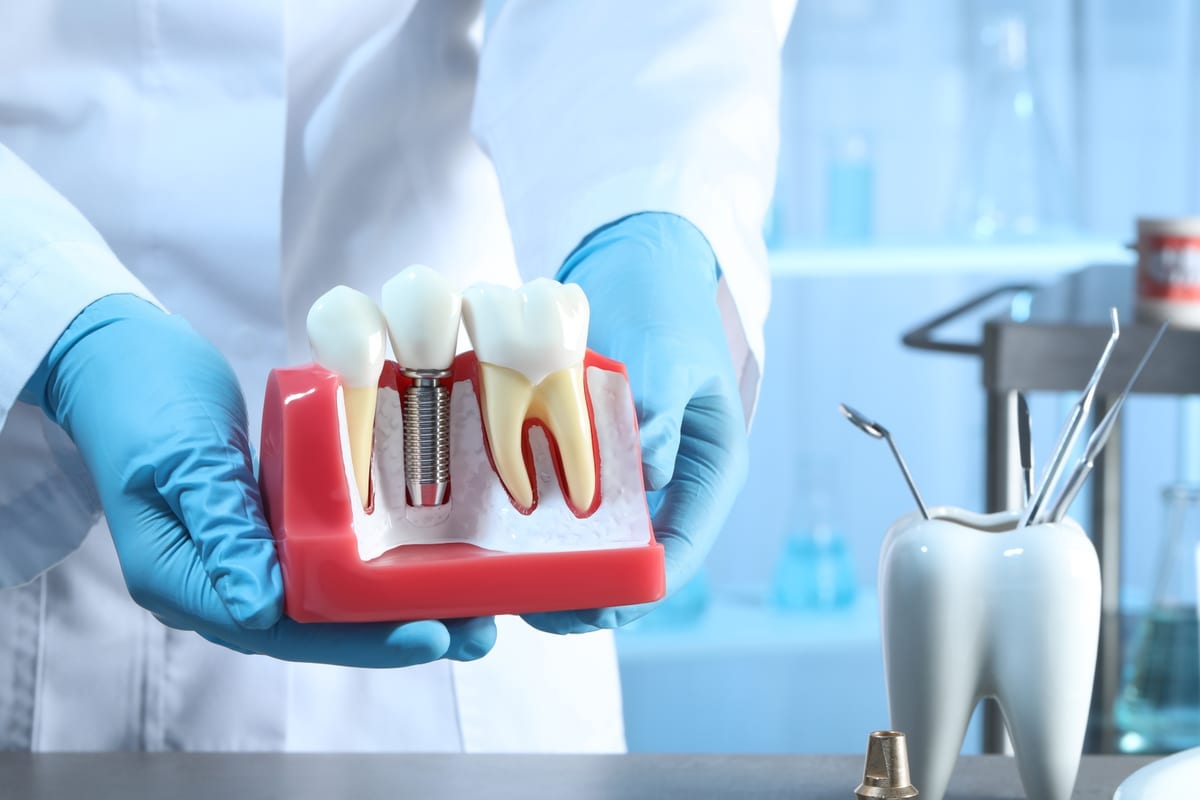
- Months 2–6: Osseointegration occurs during this phase. This is when the implant fuses to your jawbone. Regular check-ins with Dr. Parikh ensure healing is progressing well.
- Month 6 and beyond: Your permanent crown is typically placed once integration is confirmed. Your implant now functions like a natural tooth. Proper maintenance keeps it healthy for decades.
Every patient heals at a slightly different pace. Age, overall health, and bone density all play a role. Dr. Parikh tailors follow-up appointments to your specific recovery needs. Alpharetta patients can reach Johns Creek Dental Studio quickly if any concerns arise between visits.
What to Eat During Dental Implant Recovery
Your diet plays a huge role in how well and how quickly you heal. The wrong foods can disrupt the implant site and prolong discomfort. The right choices support tissue repair and keep you comfortable. Plan your meals in advance before your surgery date.
During the first week, focus on very soft, cool, or lukewarm options. Great choices include:
- Yogurt and smoothies without seeds or chunks
- Mashed potatoes and soft-cooked vegetables
- Scrambled eggs and soft-boiled eggs
- Applesauce, pudding, and gelatin
- Broth-based soups at a lukewarm temperature
- Soft fish like tilapia or cod
Avoid hard, crunchy, or sticky foods throughout your entire recovery period. Chips, raw carrots, popcorn, and chewy candy can all damage or dislodge healing tissue. Alcohol and tobacco products significantly impair healing. Dr. Parikh strongly advises avoiding both throughout the recovery process.
As weeks progress, you can gradually reintroduce regular foods. Always listen to how your body responds. If a food causes discomfort near the implant, eliminate it temporarily. When in doubt, call Johns Creek Dental Studio for personalized guidance.
Pain Management and Oral Hygiene Tips After Surgery
Managing discomfort effectively helps you recover faster and more comfortably. Most patients require prescription pain medication only for the first one to three days. Over-the-counter options like ibuprofen or acetaminophen work well after that initial period. Always follow Dr. Parikh’s specific dosage instructions.
Oral hygiene after implant surgery requires a gentle, careful approach. Do not brush directly over the surgical site for the first week. Instead, rinse gently with warm salt water after meals. This keeps the area clean without disturbing the healing tissue.
After the first week, you can resume careful brushing near the implant area. Use a soft-bristled toothbrush and non-abrasive toothpaste. Avoid electric toothbrushes on the implant site until Dr. Parikh gives the go-ahead. Keeping the surrounding teeth clean protects the implant from bacterial buildup.
Patients in Alpharetta who experience severe or worsening pain after day five should contact us promptly. Persistent fever, unusual swelling, or pus near the site are warning signs. These symptoms may indicate infection and require immediate attention. Our Emergency Dentistry Alpharetta services are available to address urgent concerns quickly.
Long-Term Care for a Successful Dental Implant
Once your implant has fully integrated, caring for it becomes straightforward. Treat it much like you would a natural tooth. Daily brushing, flossing, and routine dental visits keep it in excellent condition. With proper care, dental implants can last a lifetime.
Schedule professional cleanings at least twice a year with Dr. Parikh. These visits allow early detection of any issues around the implant. Your hygienist will use specialized tools safe for implant surfaces. Consistent professional care is one of the best investments you can make.
Avoid habits that put excessive force on your teeth. Grinding or clenching can damage both natural teeth and implants. If you grind at night, ask about a custom night guard. Protecting your investment is always worth the extra step.
Dental implants complement a range of smile enhancement options beautifully. Many patients explore Cosmetic Dentistry Alpharetta treatments alongside their implants. Teeth whitening or veneers on surrounding teeth can create a seamlessly beautiful smile. Dr. Parikh works with you to create a complete smile plan that fits your goals.
Conclusion
Your dental implant recovery does not have to feel overwhelming or uncertain. With a clear week-by-week plan and the right support, most patients heal comfortably and successfully. Dr. Arjun Parikh and the team at Johns Creek Dental Studio are here to guide every step of your journey. From your first day of recovery to your final crown placement, we are committed to your comfort and long-term oral health. Book Now to schedule your appointment with our team.
Frequently Asked Questions
How long does dental implant recovery take in Alpharetta?
Most patients experience the primary healing phase within two to four weeks. However, full osseointegration — where the implant fuses to the jawbone — takes three to six months. Dr. Parikh monitors this process closely through regular check-up appointments at Johns Creek Dental Studio.
Is dental implant pain severe during recovery?
Most patients describe the discomfort as mild to moderate, not severe. Pain typically peaks in the first two to three days and then decreases steadily. Over-the-counter pain relievers usually manage discomfort effectively after the initial days following surgery.
What foods should I avoid after getting a dental implant?
Avoid hard, crunchy, sticky, or chewy foods throughout your recovery. This includes chips, nuts, raw vegetables, chewy candy, and crusty bread. Soft foods like yogurt, eggs, mashed potatoes, and smoothies are ideal during the first two weeks of healing.
When can I return to work after dental implant surgery?
Many patients return to desk-based work within one to two days after surgery. Physical or labor-intensive jobs may require three to five days off. Always follow Dr. Parikh’s specific recommendations based on your individual procedure and health status.
What signs of complications should I watch for after implant placement?
Contact Johns Creek Dental Studio immediately if you experience worsening pain after day five, persistent fever, unusual swelling, or discharge near the implant site. These symptoms can indicate infection or implant failure and require prompt professional evaluation to protect your outcome.