Teeth whitening shouldn’t hurt — and if it has in the past, that experience doesn’t have to repeat itself. Many patients in Alpharetta avoid whitening treatments simply because they fear the sting. Understanding why sensitivity happens, and how a dental professional prevents it, makes all the difference. At Johns Creek Dental Studio, Dr. Arjun Parikh takes a thoughtful, patient-first approach to every whitening treatment.
Why Teeth Whitening Causes Sensitivity in the First Place
Whitening agents — typically hydrogen peroxide or carbamide peroxide — work by penetrating the outer enamel layer. They reach the inner dentin, which contains tiny fluid-filled tubes called dentinal tubules. When these tubules are stimulated, nerve signals fire and you feel sensitivity. This reaction is temporary, but it can be uncomfortable if not managed properly.
Several factors make some patients more prone to sensitivity than others. Thinner enamel, existing gum recession, and untreated cavities all increase the risk. Patients who already experience sensitivity to hot or cold foods may notice stronger reactions. Knowing your baseline sensitivity level helps Dr. Parikh customize your treatment from the start.
Over-the-counter whitening strips often cause sensitivity because they use a one-size-fits-all approach. Professional whitening, by contrast, accounts for your unique dental profile. That’s a critical difference — and it’s why so many Alpharetta patients prefer in-office treatment over store-bought options.
How Dr. Parikh Minimizes Sensitivity During Professional Whitening in Alpharetta
Prevention starts before the whitening gel even touches your teeth. Dr. Parikh begins with a thorough exam to identify any vulnerabilities. Cavities, cracks, or exposed roots get addressed first. This step alone dramatically reduces the chance of sensitivity during treatment.
During the procedure, a protective barrier shields your gums from the whitening agent. This keeps the gel precisely where it belongs — on your enamel. Lower-concentration formulas applied in shorter intervals also reduce irritation. The process is controlled, careful, and monitored the entire time.
Here are some key ways professional whitening differs from DIY methods:
- Custom-fitted trays ensure even gel distribution without gum contact
- Professional-grade desensitizing agents are applied before and after treatment
- Concentration levels are calibrated for each patient’s sensitivity threshold
- A dentist monitors your comfort and adjusts the treatment in real time
- Post-treatment fluoride application strengthens enamel immediately
These steps combine to create a whitening experience that is both effective and comfortable. Patients often leave surprised by how little discomfort they felt.
What You Can Do at Home to Reduce Whitening Sensitivity
Your aftercare habits play a significant role in how comfortable you feel post-treatment. Dr. Parikh provides every patient with a clear set of home-care instructions. Following these guidelines carefully keeps sensitivity manageable and short-lived.
Start using a sensitivity-formulated toothpaste at least one week before your whitening appointment. These toothpastes contain potassium nitrate or stannous fluoride, which calm nerve activity. Continuing to use them after treatment supports faster recovery. This simple switch makes a noticeable difference for most patients.
Here are additional steps to follow after your whitening session:
- Avoid very hot or very cold foods and drinks for 24 to 48 hours
- Skip acidic foods like citrus, vinegar-based dressings, and soda temporarily
- Use a soft-bristle toothbrush and gentle brushing pressure
- Apply a small amount of desensitizing gel provided by your dentist if needed
- Stay consistent with twice-daily brushing and flossing to maintain results
Most sensitivity resolves within 24 to 72 hours after treatment. If discomfort persists beyond that window, contact your dental office promptly. Prolonged sensitivity is uncommon but worth discussing with your dentist right away.
Is Professional Whitening Part of a Broader Smile Goal?
Many patients who come in for whitening have broader smile goals in mind. Whitening is often the first step in a full cosmetic transformation. If you’re exploring more comprehensive options, Cosmetic Dentistry Alpharetta services at Johns Creek Dental Studio can address multiple concerns in one coordinated plan. Veneers, bonding, and smile makeovers all pair beautifully with a whitening foundation.
Dr. Parikh takes time to understand what each patient wants from their smile. Some patients want subtle brightening. Others want a dramatic transformation before a major life event. Both goals are completely valid and equally achievable with the right treatment plan.
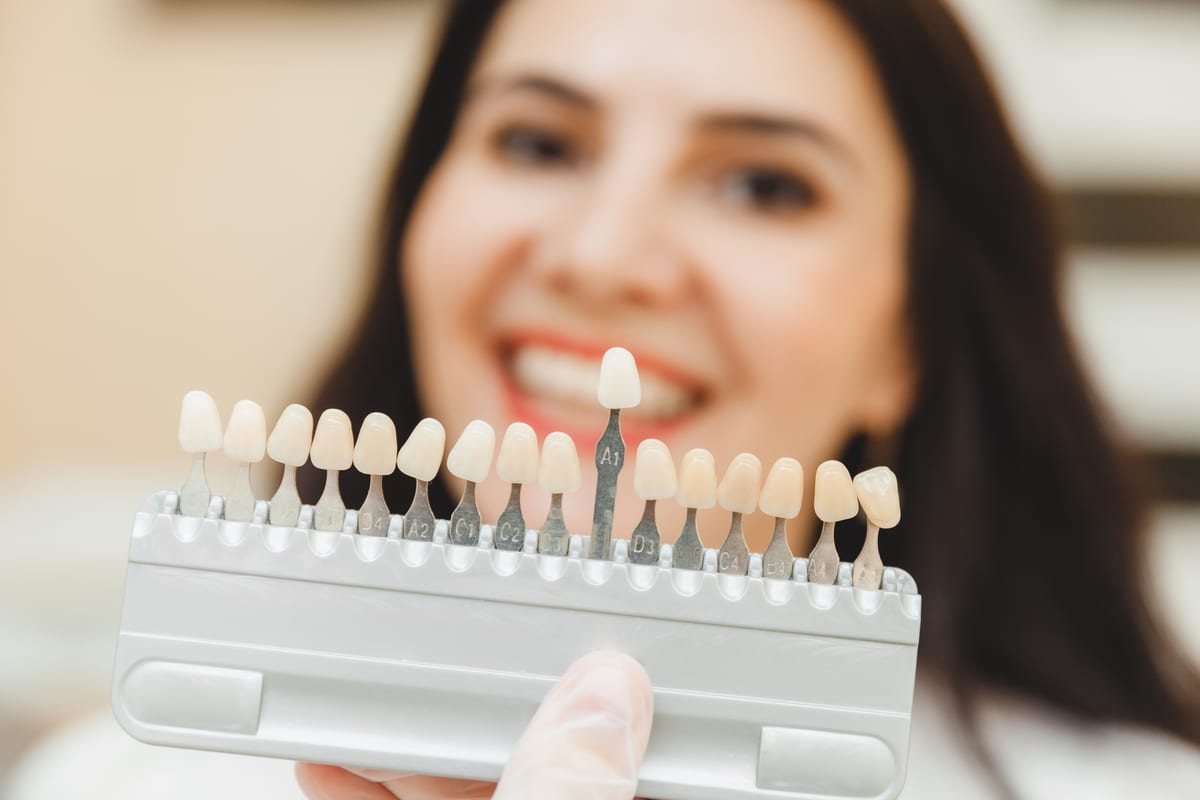
Combining whitening with other cosmetic treatments also helps ensure color consistency. Veneers and crowns don’t respond to whitening agents the way natural teeth do. Planning whitening first — before restorative work — helps Dr. Parikh match all materials to your new, brighter shade seamlessly.
When Sensitivity Signals Something More Serious
Occasional, mild sensitivity during whitening is completely normal. But sharp, lingering pain is a different story. That type of discomfort can signal an underlying issue like a cracked tooth, deep cavity, or exposed root surface. These conditions need attention before any whitening treatment begins.
If you experience sudden, intense tooth pain — whether during whitening or at any other time — don’t wait. Emergency Dentistry Alpharetta services are available at Johns Creek Dental Studio for situations that can’t wait for a routine appointment. Catching dental problems early prevents more complex treatment down the road.
Dr. Parikh believes that no cosmetic procedure should compromise your dental health. Every whitening consultation includes a full assessment of your oral health status. If something needs to be resolved first, he’ll explain why clearly and compassionately.
Conclusion: A Brighter Smile Without the Pain
Teeth whitening shouldn’t hurt — and with the right professional guidance, it genuinely doesn’t have to. Understanding the science behind sensitivity helps patients make confident, informed decisions. Dr. Arjun Parikh and the team at Johns Creek Dental Studio are committed to making every whitening experience in Alpharetta safe, effective, and comfortable. Book Now to schedule your appointment with our team.
Frequently Asked Questions
Is tooth sensitivity after whitening normal?
Yes, mild sensitivity is a common and temporary side effect of teeth whitening. It typically occurs because the whitening agent temporarily opens pores in the enamel and stimulates the underlying nerve. Most patients find that sensitivity fades within 24 to 72 hours after treatment. Using a desensitizing toothpaste before and after whitening helps reduce this reaction significantly.
How long does whitening sensitivity last?
For most patients, sensitivity after professional whitening lasts between 24 and 72 hours. In some cases, it may linger slightly longer depending on individual enamel thickness and overall tooth health. If discomfort continues beyond three days or feels severe, contact your dentist. Persistent sensitivity may indicate an underlying dental issue that needs evaluation.
Can people with sensitive teeth still get whitening treatment?
Yes, many patients with naturally sensitive teeth can still safely undergo professional whitening. Dr. Parikh adjusts the treatment protocol based on each patient’s sensitivity level. Lower-concentration gels, shorter application intervals, and desensitizing agents are all tools that make whitening accessible for sensitive patients. A pre-treatment consultation helps determine the safest and most effective approach for your specific situation.
Is professional whitening safer than over-the-counter strips for sensitive teeth?
Professional whitening is generally safer for patients with sensitivity concerns. Store-bought strips use a standard formula that doesn’t account for individual differences in enamel thickness or gum health. In-office treatment uses custom trays, protective barriers, and professionally calibrated formulas. This controlled approach significantly reduces the risk of unnecessary irritation or gum contact.
How often can I whiten my teeth without causing damage?
Most dental professionals recommend professional whitening once or twice per year for most patients. More frequent treatments can temporarily weaken enamel and increase ongoing sensitivity. Dr. Parikh will recommend a maintenance schedule based on your results and your tooth health. Touch-up trays for at-home use between appointments can help maintain brightness safely and gradually.