When patients visit Johns Creek Dental Studio, one question comes up again and again. They want to know about veneers vs bonding — which smile fix actually lasts longer in Alpharetta. Both treatments can dramatically improve your smile. But they work very differently, cost different amounts, and suit different situations.
Dr. Arjun Parikh helps patients navigate this exact decision every week. This guide breaks down both options honestly. You will walk away knowing which treatment fits your goals, your timeline, and your budget.
What Are Veneers and Dental Bonding?
Veneers are thin porcelain or composite shells. A dentist bonds them permanently to the front surface of your teeth. They cover chips, stains, gaps, and uneven shapes beautifully. Most veneers are custom-crafted in a dental lab for a precise fit.
Dental bonding uses a tooth-colored composite resin. Your dentist applies it directly to your tooth and sculpts it by hand. It hardens under a special curing light within minutes. Bonding is a quick, same-visit fix for minor cosmetic concerns.
Both treatments fall under Cosmetic Dentistry Alpharetta services. They share the same goal — improving your smile’s appearance. But the process, durability, and investment differ significantly between the two.
Veneers vs Bonding: Longevity and Durability Compared
This is where the two treatments differ most clearly. Porcelain veneers typically last 10 to 20 years with proper care. They resist staining extremely well and hold their color over time. Many patients in Alpharetta keep their veneers for 15 years or more.
Dental bonding has a shorter lifespan. It typically lasts between 3 and 10 years depending on placement and habits. Bonding material can chip more easily than porcelain. It also stains over time from coffee, tea, and red wine.
Here is a quick comparison of durability factors:
- Porcelain veneers: 10–20 year lifespan, stain-resistant, highly durable
- Composite bonding: 3–10 year lifespan, more prone to chipping and staining
- Veneers maintenance: Regular brushing, flossing, and dental checkups
- Bonding maintenance: Avoid biting nails, ice, or hard foods to extend longevity
- Replacement: Bonding is easier and cheaper to repair or replace
If you want a long-term result with minimal upkeep, veneers win on longevity. If you need a quick fix and plan to revisit the decision later, bonding offers flexibility.
Cost, Invasiveness, and the Right Candidate for Each
Cost is a major factor for many Alpharetta patients. Dental bonding costs significantly less per tooth than porcelain veneers. Veneers require lab fabrication and multiple appointments, which adds to the investment. Bonding is completed in a single visit, making it faster and more affordable upfront.
Invasiveness is another key difference. Veneers require a small amount of enamel removal from your tooth. This process is irreversible — once done, you will always need a veneer on that tooth. Bonding requires little to no enamel removal, making it a reversible option.
So who is the right candidate for each treatment?
- Choose veneers if: You want lasting results, have multiple cosmetic concerns, or have heavily stained teeth
- Choose bonding if: You have a small chip or crack, want a quick fix, or are still deciding on a full makeover
- Veneers work best for: Discoloration, uneven tooth length, gaps, or worn enamel
- Bonding works best for: Single chipped teeth, minor shape corrections, or small gaps
Age matters too. Younger patients sometimes choose bonding first. It allows them to see cosmetic improvements before committing to veneers later.
Results: What Will Your Smile Actually Look Like?
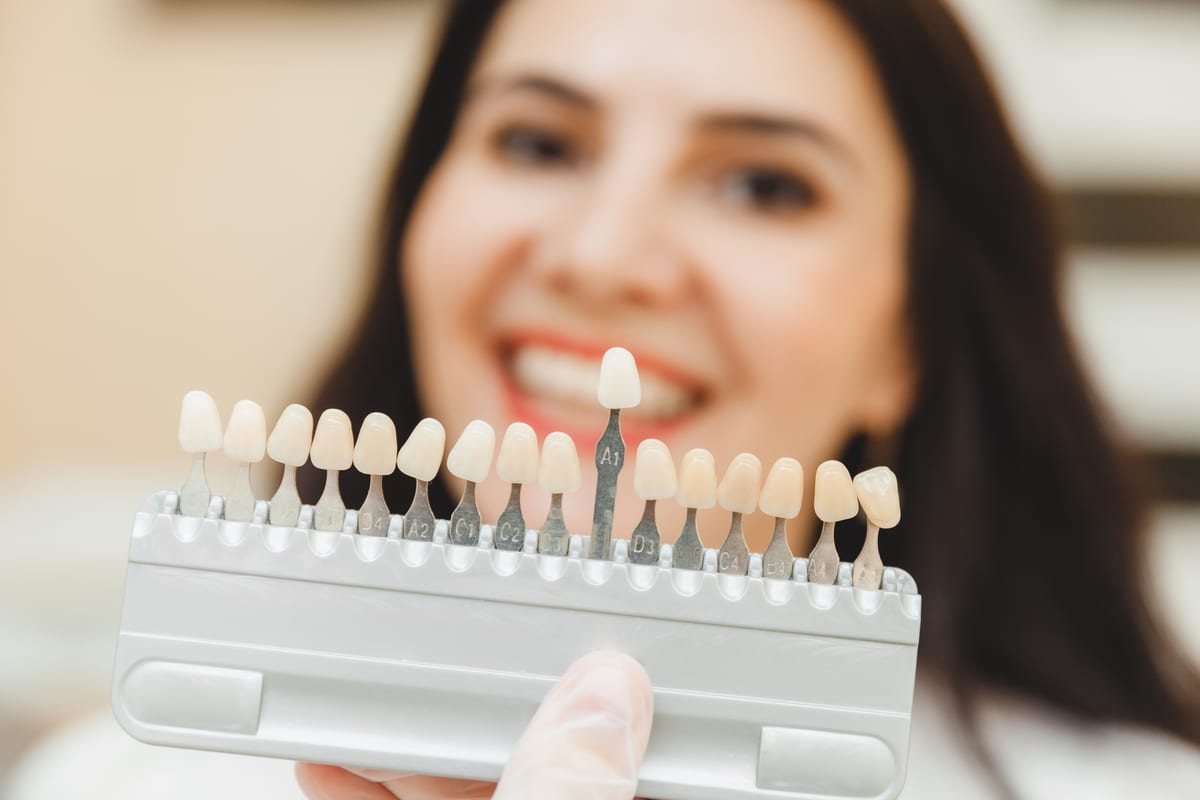
Both treatments can deliver stunning smile transformations. Porcelain veneers offer an exceptionally natural, polished look. The material mimics the light-reflecting properties of real tooth enamel. Veneers are also customized for shape, size, and shade before placement.
Bonding looks great immediately after treatment. However, the results can look slightly different from porcelain over time. Bonding may dull or discolor with age, while veneers maintain their brightness. For a Smile Makeover involving multiple teeth, most dentists recommend veneers for consistency.
If a dental emergency leads to a chipped or cracked tooth, bonding is often the fastest solution available. In urgent situations, contact Emergency Dentistry Alpharetta to get same-day care for damaged teeth. Dr. Arjun Parikh and the team at Johns Creek Dental Studio are experienced in both emergency repairs and full cosmetic transformations.
Which Option Should Alpharetta Patients Choose?
The answer depends on your specific smile goals and situation. There is no universal right answer between these two treatments. Dr. Parikh always recommends a thorough consultation before making any decision. A full exam helps identify the best approach for your unique teeth.
Consider veneers if you want a long-term, comprehensive smile upgrade. Consider bonding if you want a fast, low-commitment cosmetic correction. Some patients even combine both — bonding on back teeth and veneers on the front smile zone. A skilled cosmetic dentist will help you map out the most effective plan.
What matters most is getting accurate information before you commit. Understanding the tradeoffs between cost, longevity, and invasiveness puts you in control. The right choice is the one that fits your life — not just your smile.
Frequently Asked Questions
How long do veneers last compared to dental bonding?
Porcelain veneers typically last 10 to 20 years with good oral hygiene and regular checkups. Dental bonding lasts between 3 and 10 years depending on the location and your habits. Veneers are the longer-lasting option overall, but bonding is easier and less expensive to repair when needed.
Is dental bonding painful or invasive?
Dental bonding is one of the least invasive cosmetic procedures available. It requires little to no removal of natural tooth enamel in most cases. Most patients experience no discomfort during the process, and it is usually completed in a single appointment without anesthesia.
Can dental bonding be used as a temporary fix before getting veneers?
Yes, many patients use bonding as a temporary cosmetic solution while planning for veneers. Bonding is reversible and affordable, making it a good bridge option. Dr. Arjun Parikh can assess whether bonding is appropriate for your specific teeth before committing to a more permanent treatment.
Do veneers stain like natural teeth?
Porcelain veneers are highly resistant to staining compared to natural teeth and composite bonding. They do not absorb pigments from coffee, tea, or red wine the way natural enamel can. However, the bonding cement used to attach veneers can stain along the edges over time, so good hygiene still matters.
How do I know which treatment is right for me in Alpharetta?
The best way to decide is with a professional consultation at Johns Creek Dental Studio. Dr. Parikh will evaluate your teeth, discuss your aesthetic goals, and recommend the most appropriate treatment. Every smile is different, and a personalized assessment gives you the most accurate guidance for your situation. Book Now to schedule your appointment with our team.