Ask anyone about root canals and you will hear the same thing: they sound terrifying. But does a root canal really hurt? What modern anesthesia actually does in Alpharetta may surprise you. Most patients tell Dr. Arjun Parikh at Johns Creek Dental Studio that the procedure felt far less painful than they expected.
Fear of pain is the number one reason people delay getting a root canal. That delay often makes the problem worse. Understanding what actually happens during treatment can help you make a confident, informed decision.
The Root Canal Fear vs. Reality in Alpharetta
The root canal’s bad reputation comes from procedures done decades ago. Anesthesia was less effective back then. Modern techniques have completely changed the experience for patients in Alpharetta and beyond.
Today, a root canal treats an infected or damaged tooth pulp. The goal is to remove pain, not cause it. Most patients feel pressure or mild vibration — not sharp pain.
Dr. Parikh uses advanced numbing protocols before touching the tooth. By the time treatment begins, the area is fully anesthetized. You should feel nothing beyond minor pressure throughout the procedure.
Many patients are genuinely surprised. They expect the worst and instead feel comfortable throughout. That reaction is now the norm, not the exception.
What Modern Anesthesia Actually Does During Treatment
Modern local anesthesia works by blocking nerve signals in the treatment area. The dentist injects anesthetic near the tooth’s nerve bundle. Within minutes, you lose all sensation in that zone.
Here is what a typical anesthesia process looks like at Johns Creek Dental Studio:
- A topical numbing gel is applied to the gum first
- A small injection delivers local anesthetic beneath the surface
- The dentist waits for full numbness to set in before starting
- Additional anesthetic is available if any sensitivity is noticed
- You remain awake but completely comfortable throughout
Infected teeth can sometimes resist numbing. Dr. Parikh knows how to handle this. Supplemental injection techniques ensure even difficult cases stay pain-free during treatment.
What You Actually Feel During vs. After the Procedure
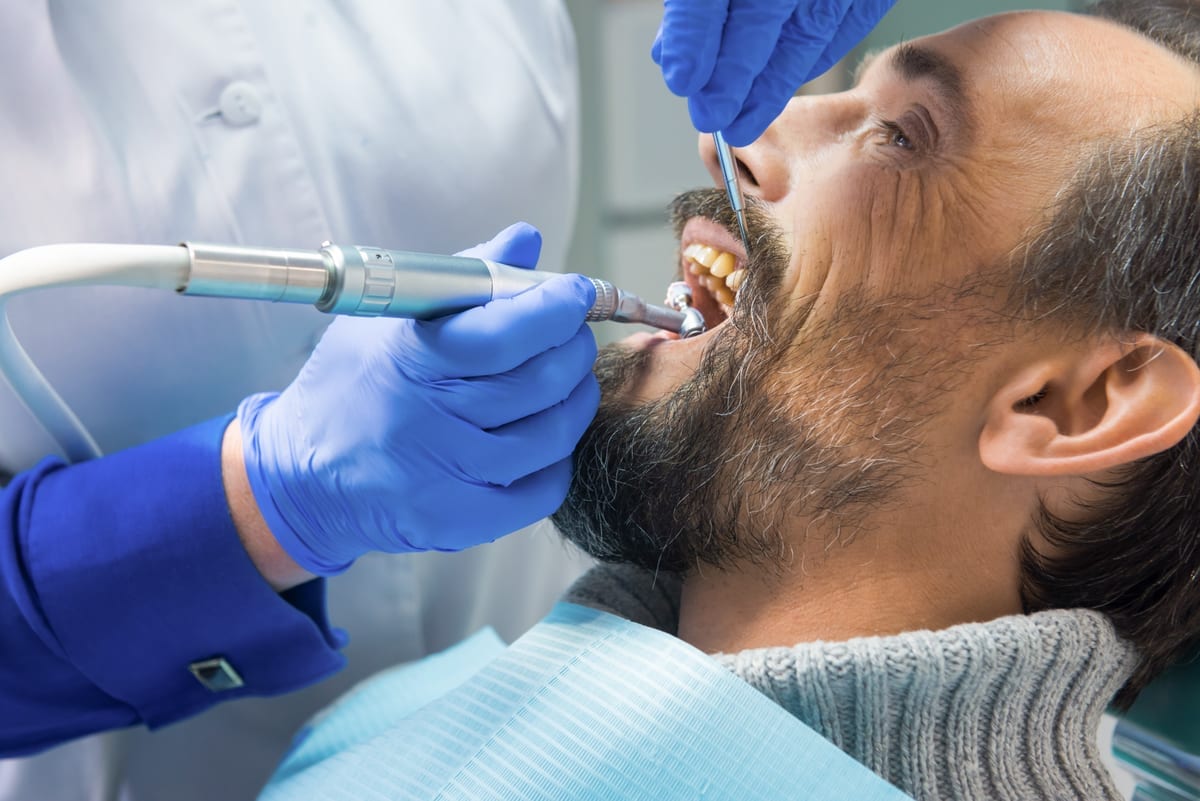
During the procedure, most patients feel pressure, not pain. You may sense movement or hear sounds from dental instruments. None of that should feel sharp or uncomfortable.
After the anesthesia wears off, some soreness is normal. The tissue around the tooth may feel tender for a few days. This is your body’s natural healing response.
Here is what post-treatment recovery typically looks like:
- Mild to moderate soreness for 24–72 hours after treatment
- Sensitivity when biting or chewing near the treated area
- Swelling or tenderness in the surrounding gum tissue
- Over-the-counter pain relievers usually manage discomfort effectively
- Most patients return to normal activities the next day
Serious or lasting pain after a root canal is uncommon. If you experience it, contact your dentist right away. It may signal a complication that needs prompt attention.
When You Might Need Emergency Dentistry Instead
Sometimes tooth pain escalates before you can schedule a routine visit. Severe swelling, fever, or throbbing pain that keeps you up at night are warning signs. These symptoms may require same-day care.
Emergency Dentistry Alpharetta services at Johns Creek Dental Studio are available for exactly these situations. Dr. Parikh can assess your tooth quickly and determine whether a root canal is the right next step.
Do not wait for an infection to spread. Dental infections can become serious health risks if left untreated. Getting prompt care protects both your tooth and your overall wellbeing.
How Root Canal Treatment Connects to Your Broader Smile Health
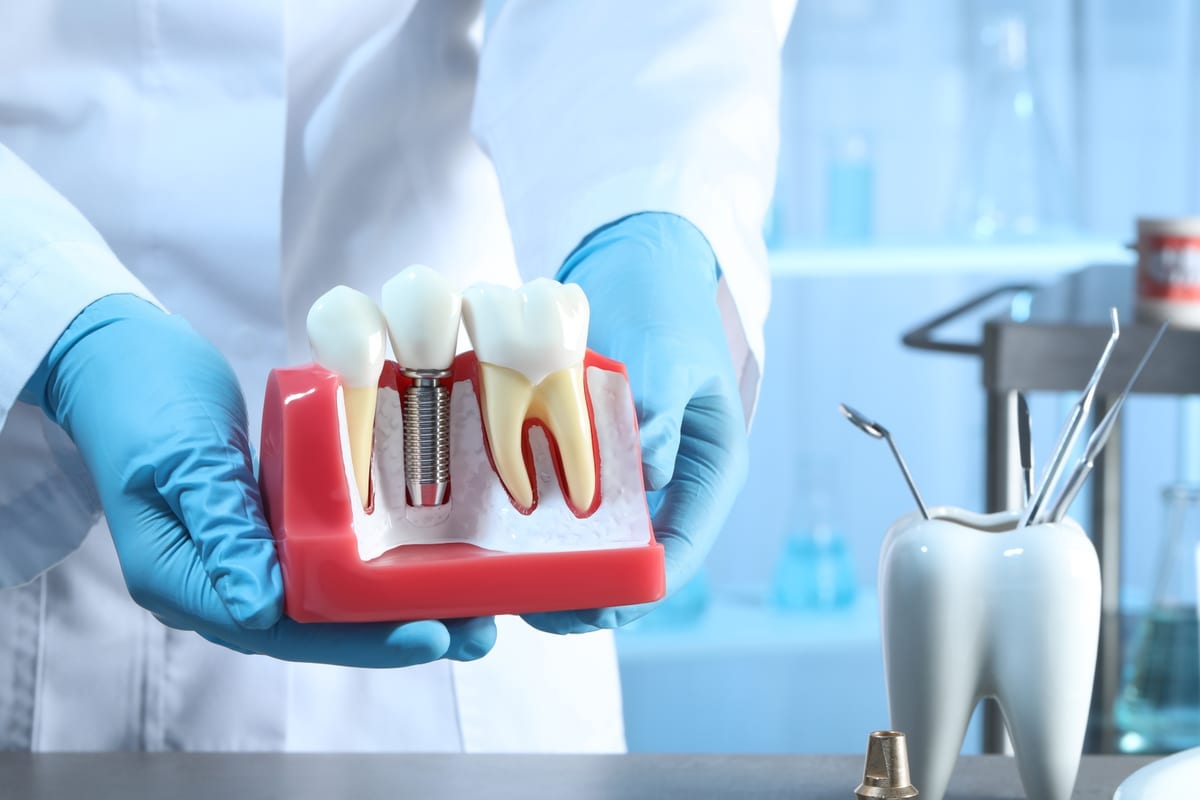
Saving a natural tooth with a root canal is almost always preferable to extraction. A natural tooth supports your bite, your jawbone, and surrounding teeth. Losing it creates a chain reaction of dental problems.
After a root canal, most teeth receive a crown for protection. That crown can be matched to your natural tooth color. The result looks and functions just like a healthy tooth.
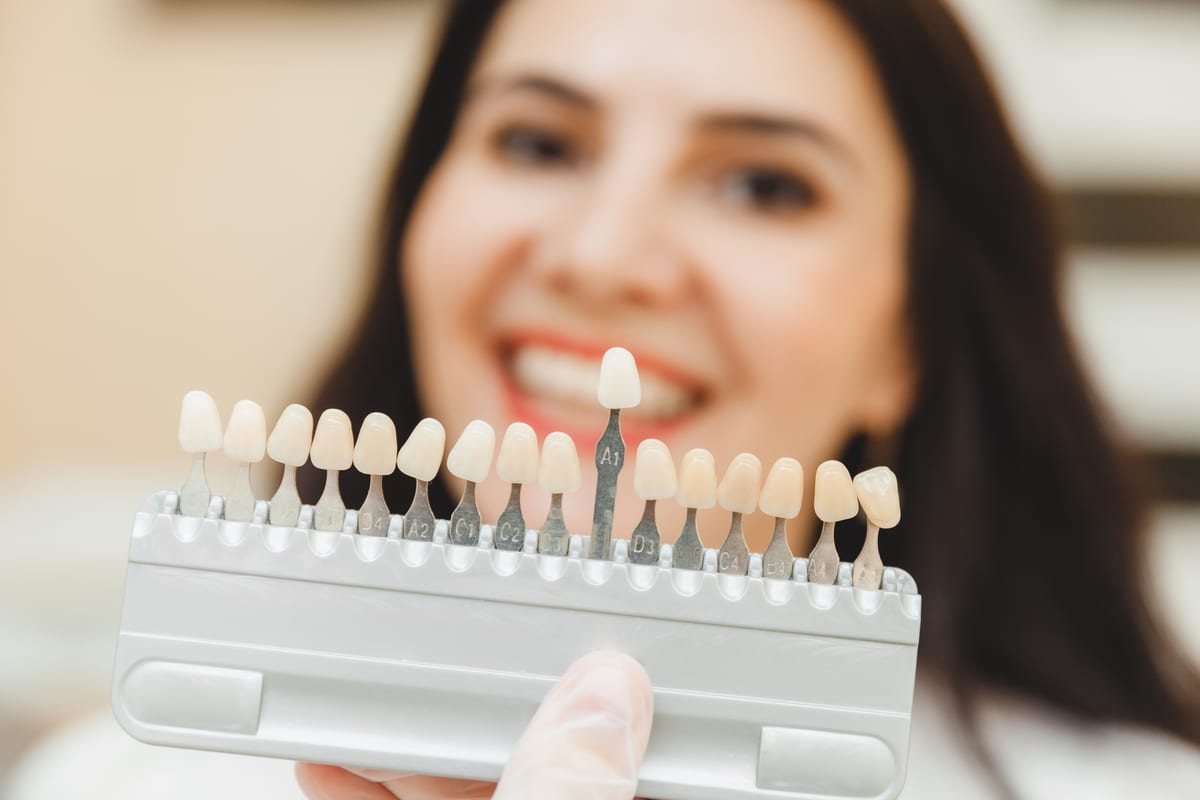
For patients interested in improving their smile beyond just function, Cosmetic Dentistry Alpharetta options can complement restorative work. Veneers, whitening, or a full smile makeover can follow once your tooth is healthy and stable.
Dr. Parikh takes a whole-mouth approach to care. Every procedure, including a root canal, is part of a larger plan for your long-term dental health. You are never just treated in isolation.
Tips for Preparing for Your Root Canal Appointment
Feeling prepared reduces anxiety significantly. Knowing what to expect helps you walk into the appointment calm and confident. A few simple steps make a real difference.
- Eat a normal meal before your appointment since numbing will affect your mouth afterward
- Avoid alcohol for at least 24 hours before treatment
- Ask Dr. Parikh any questions you have before the procedure begins
- Arrange a ride home if you feel anxious or plan to use sedation
- Have soft foods ready at home for your recovery period
Talk openly with the dental team about any anxiety you feel. Johns Creek Dental Studio creates a judgment-free environment. Your comfort is a priority from the moment you walk in.
Conclusion: Root Canals Are Not What You Think
Modern root canal treatment is a routine, comfortable procedure for most patients. Thanks to advanced local anesthesia, the experience is far less painful than its reputation suggests. Dr. Arjun Parikh and the team at Johns Creek Dental Studio in Alpharetta are committed to making every visit as comfortable as possible. Book Now to schedule your appointment with our team.
Frequently Asked Questions
Does a root canal hurt while it is happening?
No. Modern local anesthesia numbs the tooth and surrounding tissue completely before treatment begins. You may feel pressure or vibration, but you should not feel sharp pain during the procedure.
How long does soreness last after a root canal?
Most patients experience mild to moderate soreness for one to three days after treatment. Over-the-counter pain relievers typically manage this discomfort well. Soreness lasting beyond a week should be reported to your dentist.
What if the anesthesia does not fully work on my tooth?
Infected teeth can sometimes resist standard numbing. Dr. Parikh uses supplemental injection techniques to ensure full anesthesia in these cases. You will not proceed until the area is completely numb.
Is a root canal worse than a tooth extraction?
Most patients find root canal treatment no more uncomfortable than a routine filling. Extraction involves removing the tooth entirely, which creates its own recovery process. Saving the natural tooth with a root canal is usually the better long-term option.
How soon can I return to normal activities after a root canal?
Most patients return to work or daily activities the following day. You should avoid chewing hard foods on the treated tooth until a permanent crown is placed. Dr. Parikh will give you specific aftercare instructions tailored to your situation.