Dental Implants in Alpharetta: What You Need to Know
Losing a tooth can feel overwhelming. Whether it happened from an accident, decay, or gum disease, the gap it leaves affects more than just your appearance. If you are exploring dental implants in Alpharetta, you are already taking a smart step toward restoring your oral health. At Johns Creek Dental Studio, Dr. Arjun Parikh helps patients understand all their options clearly and confidently.
What Are Dental Implants and How Do They Work?
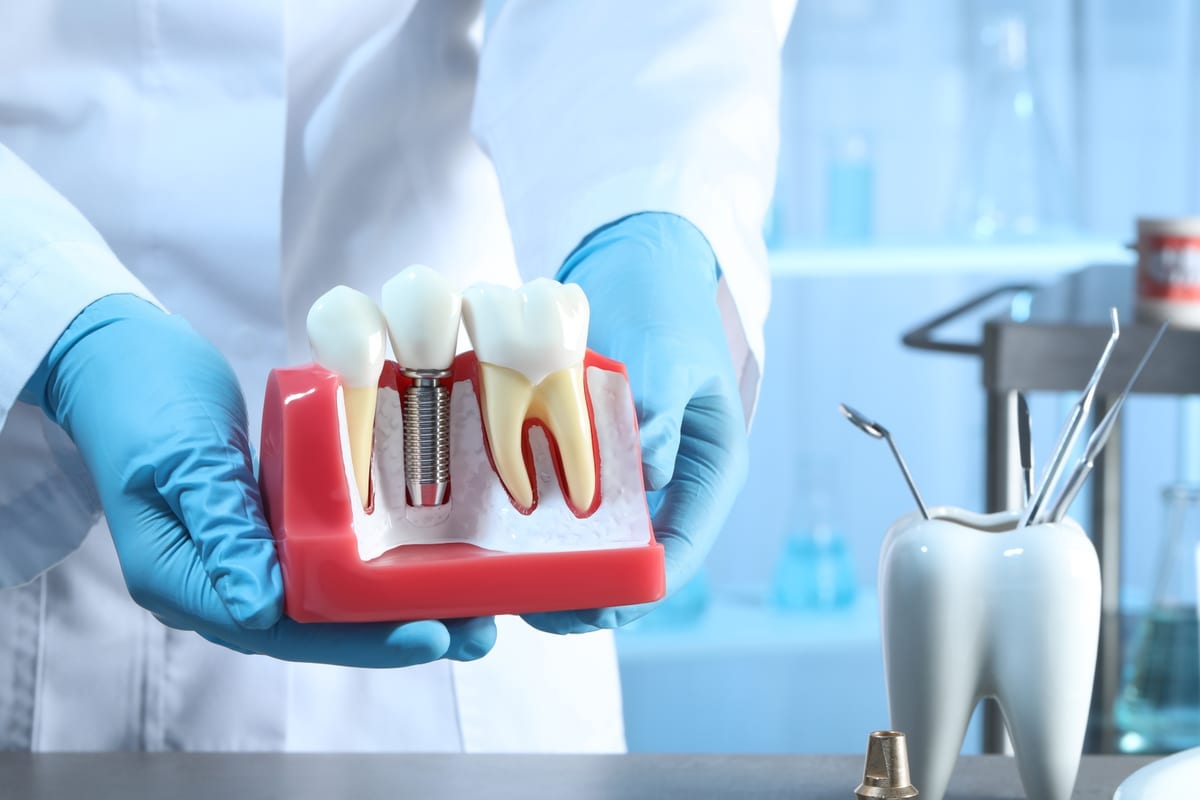
A dental implant is a small titanium post. It is placed directly into your jawbone to act as an artificial tooth root. Over time, the bone fuses with the post in a process called osseointegration. This creates a strong, stable foundation for a replacement tooth.
Once the implant integrates with the bone, a custom crown is attached on top. The result looks, feels, and functions like a natural tooth. Most patients report that their implant is indistinguishable from their surrounding teeth.
Implants are not just cosmetic. They also help preserve the jawbone. When a tooth is lost, the bone beneath it can shrink over time. An implant stimulates the bone and prevents that loss from occurring.
Am I a Good Candidate for Dental Implants in Alpharetta?
Not everyone is an immediate candidate for dental implants. Dr. Parikh evaluates several factors before recommending this treatment. A thorough exam and imaging help determine if your bone and gums are healthy enough to support an implant.
Good candidates typically share these characteristics:
- Have one or more missing teeth
- Have sufficient jawbone density to anchor the implant
- Have healthy gum tissue free from active gum disease
- Do not smoke, or are willing to quit during healing
- Are committed to good oral hygiene habits
If bone loss has already occurred, a bone graft may be needed first. This is common and should not discourage you. Dr. Parikh will walk you through every step of the process during your consultation.
Patients with certain medical conditions may need medical clearance. Diabetes and autoimmune disorders, for example, can affect healing. Open communication with Dr. Parikh ensures the safest possible outcome for you.
The Dental Implant Process: Step by Step
Understanding the process helps reduce anxiety. Dental implant treatment happens in stages over several months. Each stage is important for long-term success.
Here is a general overview of what to expect:
- Consultation and planning: Dr. Parikh reviews your dental and medical history. X-rays and 3D scans map your jawbone structure precisely.
- Implant placement: The titanium post is surgically placed into your jawbone under local anesthesia. Most patients are comfortable throughout.
- Healing phase: Over three to six months, the implant fuses with the bone. Temporary restorations may be used during this time.
- Abutment placement: A small connector piece called an abutment is attached to the implant post. This supports the final crown.
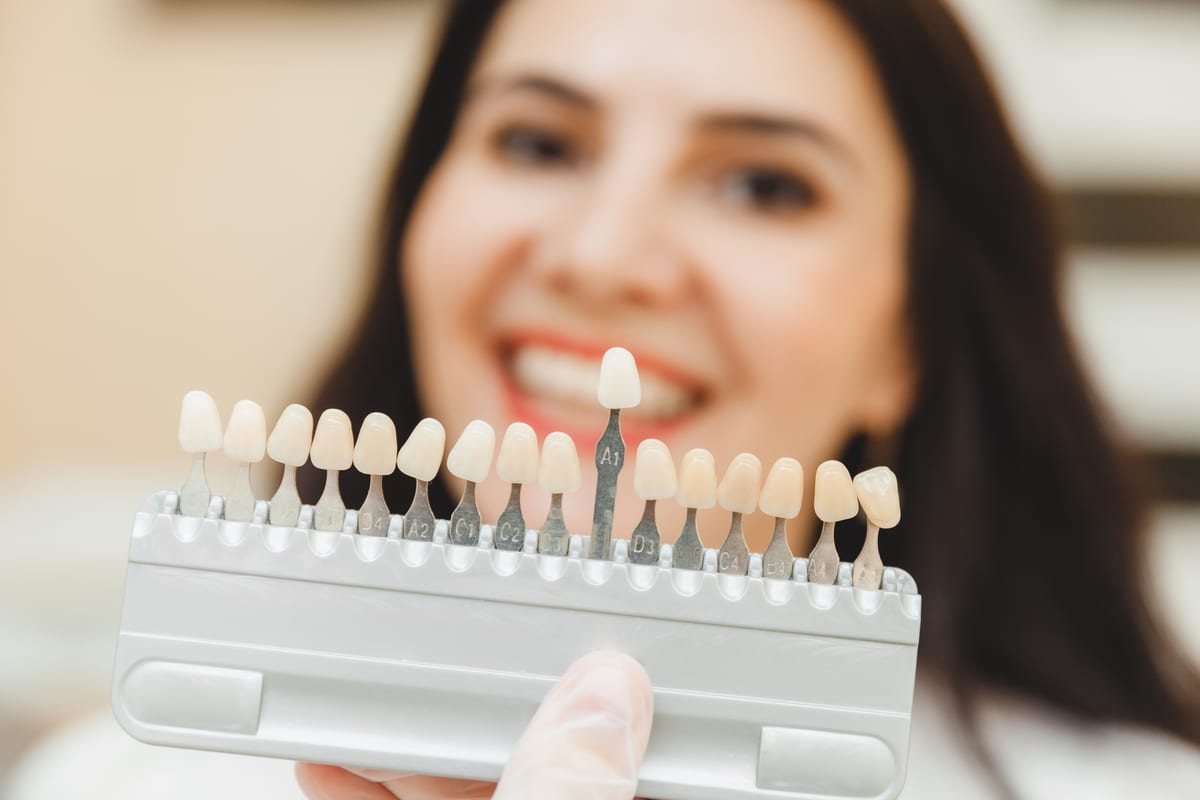
- Crown attachment: A custom-made crown is placed on the abutment. It is matched to the color and shape of your natural teeth.
The timeline varies for each patient. Some cases move faster, especially with newer techniques. Dr. Parikh discusses your specific timeline at your initial appointment.
How Dental Implants Compare to Other Tooth Replacement Options
There are several ways to replace a missing tooth. Each has advantages and drawbacks. Understanding the differences helps you make the best decision for your lifestyle.
Dental bridges are a common alternative. They use neighboring teeth as anchors to support a false tooth in between. Bridges do not require surgery, and treatment is faster. However, healthy adjacent teeth must be filed down to place the bridge, which is a permanent alteration.
Dentures are removable appliances that replace multiple missing teeth. They are more affordable upfront. However, they can shift during eating or speaking and may require adhesives. They also do not stimulate the jawbone like implants do.
Dental implants are often considered the gold standard. They do not rely on neighboring teeth. They preserve bone. They are permanent and require no removal. For many patients in Alpharetta, they offer the most natural long-term solution available.
If you need to replace several teeth, an implant crown or bridge supported by implants may be the ideal option. Dr. Parikh can explain which approach fits your specific situation best.
Caring for Your Dental Implant Long-Term
One of the best things about implants is how easy they are to maintain. You care for them just like natural teeth. Brushing twice daily and flossing regularly keeps both the implant and surrounding gum tissue healthy.
Routine dental visits are still essential. Regular cleanings and checkups help catch any concerns early. Dr. Parikh and his team monitor the implant site at each visit to ensure long-term success.
Avoid habits that can damage implants. Chewing ice, biting hard objects, or grinding your teeth can put excessive pressure on the crown. A nightguard may be recommended if you grind your teeth during sleep.
With proper care, dental implants can last a lifetime. The crown portion may eventually need replacement after many years of use. But the implant post itself typically remains strong and stable indefinitely.
Why Choose Johns Creek Dental Studio for Dental Implants in Alpharetta?
Dr. Arjun Parikh brings a patient-centered approach to every treatment. He takes time to explain procedures clearly. His goal is always to make sure you feel informed and comfortable before moving forward.
Johns Creek Dental Studio serves the Alpharetta community with a full range of dental services. From routine care to complex restorations, the team is equipped to support your complete oral health journey. Patients appreciate the welcoming environment and the personalized attention they receive at every visit.
If you are ready to explore your options, we encourage you to take the next step. Book Now to schedule your appointment with our team.
Frequently Asked Questions
Are dental implants painful?
Most patients report that the procedure is more comfortable than they expected. Local anesthesia is used during placement to minimize discomfort. Mild soreness after the procedure is normal and manageable with over-the-counter pain relievers. Dr. Parikh provides detailed aftercare instructions to keep you comfortable throughout healing.
How long do dental implants last?
With proper care, the implant post can last a lifetime. The crown placed on top may need replacement after 10 to 15 years due to normal wear. Maintaining good oral hygiene and attending regular dental visits greatly extends the life of your implant.
What happens if I do not have enough bone for an implant?
If your jawbone lacks sufficient density, a bone graft can rebuild the area before implant placement. This is a common preparatory step. Dr. Parikh evaluates bone volume during your initial consultation and discusses all options with you in detail.
How do dental implants affect nearby teeth?
Unlike bridges, dental implants do not require altering adjacent teeth. The implant is self-supporting and integrates directly with the jawbone. This preserves the health and structure of your surrounding natural teeth.
Can I get a dental implant right after a tooth extraction?
In some cases, a same-day or immediate implant placement is possible following a tooth extraction. This depends on the condition of the bone and gum tissue at the extraction site. Dr. Parikh evaluates each case individually to determine the safest and most effective timing for implant placement.