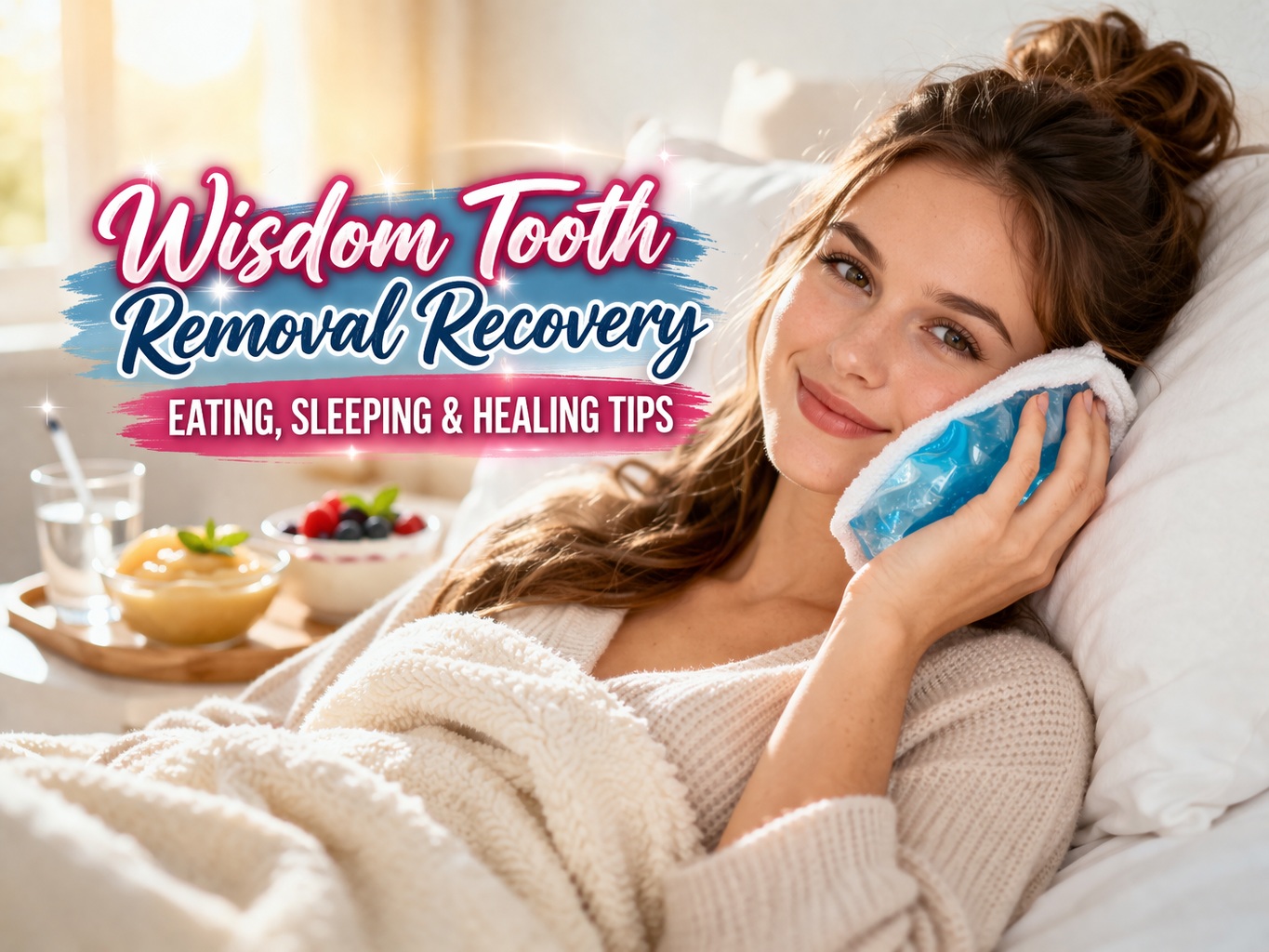
Some simple yet significant questions often come to mind during recovery from wisdom tooth removal. What should you eat? How should you sleep? How do you know if your healing process is going well? The first few days may feel strange, but with these habits in place, your recovery can be easier and more predictable. Recognizing what your body requires avoids excess pain and keeps you on the straight and narrow.
In Alpharetta, while car rides past Windward Parkway or on busy nights near Avalon, stopping for oral pain can actually feel like a bizarre choice. Properly caring for your mouth as it heals will help you return to your routine without complications. In this blog, we will explore how small, mindful shifts can make an impactful difference.
What Takes Place Immediately Following the Procedure
Your body starts healing right after the procedure, and being aware of what to expect can help you remain prepared.
1. Formation of Blood Clots to Act as a Protective Barrier: At the site of the extraction, a clot forms, which is a natural mechanism that acts as a barrier. The clot needs to be protected for proper healing.
2. Mild Bleeding Is Normal: There may be light bleeding or oozing for hours. With proper care, this slows down over time.
3. Swelling Develops Gradually: Swelling typically reaches its maximum after two to three days. It can feel more pronounced when speaking or chewing.
4. Jaw Stiffness Can Occur: It is normal not to be able to open your mouth wide, but that will improve as healing continues.
The steps for wisdom tooth removal in Alpharetta ensure a smooth early recovery without complications.
What to Eat During a Successful Recovery
Some foods can help prevent irritation and support your healing process.
1. Start With Soft, Easy Foods: Foods such as yogurt, mashed potatoes, scrambled eggs, and applesauce are easy on the mouth and require little or no chewing.
2. Choose Lukewarm or Cool Options: Very hot foods could irritate the area. Cooler foods tend to feel more restorative in those first few days.
3. Avoid Crunchy and Sticky Items: Chips, nuts, and sticky snacks can interfere with the healing site or become trapped near the extraction location.
4. Reintroduce Foods Gradually: Gradually increase solid foods as discomfort decreases. During weekdays in Alpharetta with full schedules, many people like to keep meals simple.
Type this video to discover simple tips for a smooth, pain-free wisdom tooth recovery.
Video Source: Learn essential tips for a smooth wisdom tooth recovery, including what to eat, how to sleep, and managing swelling, from North Texas Dental Surgery | Dallas Smile Makeover.
How to Sleep Without Discomfort
Rest is crucial to recovery, but your sleeping position is more important for your dental health. Here’s what you should do to sleep without discomfort:
1. Keep Your Head Elevated: Add extra pillows to your bed to help reduce swelling and promote healthy blood flow as you sleep.
2. Sleep on Your Back: This eliminates tension on the cheeks and jaw line, providing less irritation next to the area treated.
3. Create a Calm Sleep Routine: Don’t have screens or heavy meals close to bedtime. A passed-out routine helps your body to simply recover.
4. Expect Temporary Sleep Changes: It is absolutely normal to wake up during the first couple of nights with mild discomfort.
Managing Swelling and Daily Discomfort
Some swelling and tenderness are part of that healing process, but simple steps can help keep you comfortable.
1. Use Cold Compresses Early On: For the first 24 to 48 hours, apply a cold pack for short periods to reduce swelling.
2. Stay Consistent With Medications: Use medications prescribed and/or recommended to relieve pain.
3. Keep Your Mouth Clean Gently: Avoid vigorous rinsing at first. Mild rinsing over the next 24 hours to promote cleanliness may be recommended.
4. Stay Hydrated Throughout the Day: Staying hydrated, especially in warmer Alpharetta afternoons, promotes healing.
Daily Practices that Contribute to Healing Faster
Your routine makes a huge contribution to the smoothness of your recovery.
1. Avoid Using Straws: It’s best to sip directly from a glass, as suction can displace the clot and prolong healing.
2. Limit Physical Activity Temporarily: Take a break from intense workouts for a couple of days. Gentle movement is okay, but don’t strain.
3. Plan Your Meals Ahead: Making soft foods in advance prevents last-minute choices that could irritate the area.
4. Listen to Your Body’s Signals: If anything feels uncomfortable, modify your schedule. Remember, healing can be different processes for different individuals.
Signs That Your Recovery Is Going Well
Recognizing what typical healing looks like can help you feel more reassured about the recovery process.
1. Swelling Gradually Decreases: Swelling starts to improve on day two post-injury after the initial peak.
2. Pain Becomes More Manageable: Simple care makes discomfort less and easier to manage.
3. Eating Feels Easier Over Time: Over time, you can reintroduce normal foods without irritation.
4. The Area Begins to Close: The extraction site begins to heal visibly within the first week.
When to Watch Symptoms More Closely
Although most recovery is smooth, certain signs should not be missed.
1. Persistent or Worsening Pain: Pain that worsens after a few days may need attention.
2. Swelling That Does Not Improve: Situations in which swelling persists or is extreme may raise a red flag.
3. Unusual Taste or Odor: This may indicate an irritation or infection in the area.
4. Fever or General Discomfort: If these symptoms arise, they should be treated promptly to prevent other problems.
Small Tweaks That Make Recovery a Little Easier
A few intentional tweaks can make your recovery more relatable, manageable, and less stressful.
1. Create a Comfortable Resting Space: Find a quiet space in your house where you can unwind without being interrupted.
2. Keep Essentials Handy: Keep water, medications, and soft foods close by.
3. Stick to a Simple Routine: Maintaining a structured day helps you stay consistent with your care.
4. Take Breaks From Busy Schedules: Slowing down even for a few days to support better healing in an otherwise fast-paced Alpharetta routine.
A Smooth Recovery Starts With the Right Approach
Often, wisdom tooth removal healing can be expedited with simple, consistent habits. Focusing on what you’re putting in your mouth, the way you’re resting, and how you care for your mouth can alleviate discomfort and facilitate steady progress. Just small tweaks for the first few days, and you will have a better chance.
If you are preparing for treatment or need support in your recovery, our team at Johns Creek Dental Studio is available to assist. Book your appointment today and find the path to an easier, more pleasant recovery.
Questions People Ask About Wisdom Teeth Recovery
What can I eat during the first 24 hours after removal?
Soft foods like yogurt, mashed potatoes, and applesauce are ideal during the first day. Avoid chewing near the extraction area and stay away from hot or crunchy foods. Keeping your meals simple helps protect the healing site and reduces irritation during this early stage.
How should I sleep after the procedure?
Sleeping with your head elevated helps reduce swelling and improves comfort. Use extra pillows and try to stay on your back to avoid pressure on your jaw. This position supports better healing and can make the first few nights more manageable as your body recovers.
Is swelling normal after wisdom tooth removal?
Yes, swelling is a natural part of the healing process. It typically increases over the first couple of days and then gradually decreases. Using cold compresses and resting can help manage it. If swelling continues to worsen rather than improve, it may require attention.
When can I return to normal eating habits?
You can start introducing soft solid foods within a few days as discomfort decreases. Hard or crunchy foods should wait until the area feels stable. Everyone heals at a different pace, so it is important to listen to your body and avoid rushing the process.
Can I brush my teeth after the procedure?
You can brush your teeth, but avoid the extraction site for the first day. After that, clean gently around the area without disturbing the healing tissue. Maintaining oral hygiene is important, but it should be done carefully to protect the site.
What activities should I avoid during recovery?
Avoid using straws, smoking, and intense physical activity for a few days. These actions can interfere with healing and increase the risk of complications. Keeping your routine simple and avoiding strain helps your body recover more comfortably and efficiently.