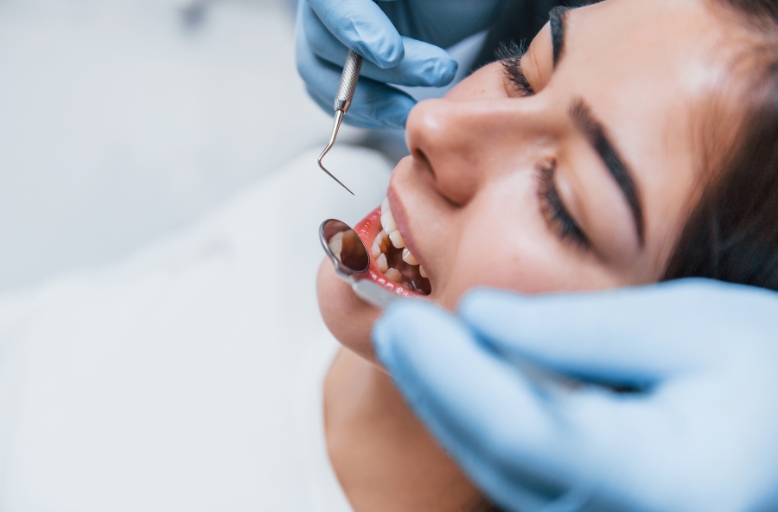
Have you ever wondered if it’s time to replace your dental filling? It’s a common concern for many people, especially when you start noticing discomfort or changes in your oral health. Understanding when to replace a dental filling is crucial for maintaining your long-term dental health and avoiding bigger problems down the road. A deteriorating filling can lead to tooth decay, infection, and even tooth loss if not replaced promptly.
Dr. Arjun Parikh, a trusted dentist at Johns Creek Dental Studio, serving the residents of Alpharetta, Roswell, Mountain Park, and nearby areas, is here to guide you through the signs that indicate it’s time for a dental filling replacement. Knowing when to seek professional care ensures your smile stays healthy, functional, and beautiful.
Signs That Indicate You Need a Filling Replacement
Dental fillings are durable, but like all materials, they don’t last forever. Over time, fillings can wear down and even fail, leading to issues that need immediate attention. Here are some signs to look out for that indicate it might be time to replace your filling:
Cracked or Chipped Fillings
Fillings can crack or chip due to physical impact or even the pressure from chewing hard foods. If you notice any visible cracks or chips in your filling, it’s crucial to get it evaluated by a dentist in Alpharetta as soon as possible. Even a small crack can lead to bacteria getting under the filling, causing decay and potential infections.
Visible Decay Around the Filling
Sometimes the tooth surrounding the filling can start to decay. If you notice any dark spots, especially around the edges of the filling, this could indicate that the filling is no longer providing a proper seal, leaving space for decay to creep in. This is a clear sign that it’s time for a replacement.

Pain or Discomfort
Pain or sensitivity, especially when eating or drinking hot or cold foods, can be a sign that your filling is no longer properly sealed. If your filling is leaking or cracked, it may expose the sensitive parts of your tooth, leading to discomfort. You may also feel pain when biting down if the filling has shifted or cracked.
Changes in Bite or Loose Filling
A loose or shifting filling can disrupt your bite. If you feel that your tooth or filling is out of place, or if the filling feels loose or moves, it can interfere with your ability to chew properly. A loose filling can also allow bacteria to enter, leading to more severe dental issues.
If you notice any of these signs, don’t wait for the problem to get worse. At Johns Creek Dental Studio, Dr. Arjun Parikh can help you assess the situation and determine the best solution to restore your dental health.
Why Fillings Deteriorate Over Time
Dental fillings, like most materials in the body, are subject to wear and tear over time. Several factors contribute to the deterioration of fillings:
Material Breakdown
Chewing forces, temperature changes, and even acidic foods can weaken the structure of a filling over time. For example, silver amalgam fillings, while durable, can expand and contract with temperature fluctuations, leading to cracking or loosening. Similarly, composite resin fillings can wear down from chewing, which leads to a reduction in their ability to protect the tooth.
Old Age of the Filling
Even if a filling isn’t damaged by external forces, it can still lose its effectiveness due to age. Over time, the materials in the filling may break down, causing it to shrink and lose its seal. Once this happens, bacteria can seep into the tooth, causing decay beneath the filling.
Diet and Oral Hygiene Habits
Your diet and oral hygiene habits play a major role in the lifespan of your dental fillings. Consuming sugary or acidic foods, for example, can speed up the deterioration process. Similarly, neglecting proper brushing and flossing can leave plaque and bacteria around your fillings, causing them to break down more quickly.
Maintaining proper oral hygiene and being mindful of your diet can help prolong the life of your fillings, but they’ll eventually need replacement. Routine checkups with a local dentist in Alpharetta, like Dr. Parikh, are essential in catching any issues early.
What to Expect During a Filling Replacement
When it’s time to replace a filling, the process is typically quick and straightforward. Here’s what you can expect during the procedure:
Consultation with Dr. Arjun Parikh
Before starting any work, Dr. Parikh will carefully examine your tooth and determine if a replacement is necessary. He may take X-rays to check for any underlying decay and assess the condition of the surrounding tooth structure.
The Procedure
Once it’s confirmed that a filling replacement is needed, Dr. Parikh will begin by numbing the area around your tooth to ensure a comfortable experience. He will then carefully remove the old filling, clean out any decay or bacteria, and prepare the tooth for a new filling. A new filling will be placed, and Dr. Parikh will ensure it fits perfectly and comfortably in your mouth.
Recovery and Aftercare
After the procedure, you may feel some mild sensitivity, especially to hot or cold foods. This is normal and should subside in a few days. Dr. Parikh will provide you with aftercare instructions to ensure proper healing and prolong the life of your new filling. You can typically return to normal activities immediately after the procedure.
Watch this quick video to learn what you can eat after a dental filling and how to care for your tooth during recovery.
Video Source: Watch this quick video by BURST Oral Care to learn what you can eat after a dental filling and how to care for your tooth during recovery.
Types of Fillings Available
When selecting a dental filling material, several factors are considered, including the location of the tooth, functional requirements, aesthetic preferences, and long-term durability. Patients exploring composite fillings in Alpharetta often choose tooth-colored options for their balance of strength and natural appearance.
Silver Amalgam
Amalgam fillings are made from a mixture of metals, including silver, tin, copper, and mercury. They are durable and affordable, making them ideal for fillings in the back of the mouth, where the pressure from chewing is highest. However, they are more noticeable than tooth-colored fillings.
Tooth-Colored Composite
For those who prefer a more natural-looking option, composite resin fillings are a popular choice. They are molded to match the shape of your tooth and can be color-matched to blend seamlessly with your smile. While composite fillings may not be as durable as amalgam, they are ideal for visible areas.
Other Materials
Ceramic and gold fillings are also available for certain cases. Ceramic fillings are highly durable and offer a more aesthetic solution, while gold fillings are incredibly strong and can last for many years. Both materials are more expensive than amalgam or composite options, but can provide excellent long-term results.
How to Prevent the Need for Frequent Fillings
Preventing the need for fillings in the first place is the best approach to maintaining long-term dental health. Here are some tips to help you avoid the need for frequent filling replacements:
Proper Oral Hygiene
Brushing and flossing regularly is the most important step in preventing dental decay. Be sure to brush twice a day with fluoride toothpaste and floss daily to remove plaque from between your teeth.
Diet and Lifestyle Tips
Limit your intake of sugary and acidic foods, which can erode enamel and lead to tooth decay. Drinking plenty of water throughout the day also helps rinse away food particles and neutralize acids in the mouth.
Regular Checkups with Dr. Arjun Parikh
Regular dental checkups are essential in catching small problems before they become bigger ones. Dr. Parikh will monitor the condition of your fillings, clean your teeth, and provide tips for keeping your smile healthy.
Recognizing the signs of filling deterioration early can save you from more serious dental issues. If you notice any discomfort, visible decay, or changes in your bite, it may be time to replace your filling.

If you’re concerned about the condition of your dental fillings, schedule an appointment with Johns Creek Dental Studio today. Dr. Arjun Parikh and his team are here to help you maintain a healthy, beautiful smile. Contact us now to book your consultation.
Everything You Need to Know About Dental Fillings
How long do dental fillings last?
Dental fillings typically last between 10 to 15 years, depending on the material used and how well they are cared for.
Can I eat immediately after a filling replacement?
You should wait until the numbing wears off before eating. For composite fillings, wait at least 24 hours before eating sticky foods.
How do I know if my filling needs replacing?
Signs include pain, sensitivity, visible cracks, or decay around the filling. A dentist can confirm if a replacement is needed.
How do I care for a new filling?
Follow your dentist’s aftercare instructions. Brush, floss, and avoid chewing hard foods until the filling has fully set.
Can a filling get loose over time?
Yes, fillings can become loose due to wear, temperature changes, or aging. Regular checkups will help catch this early.