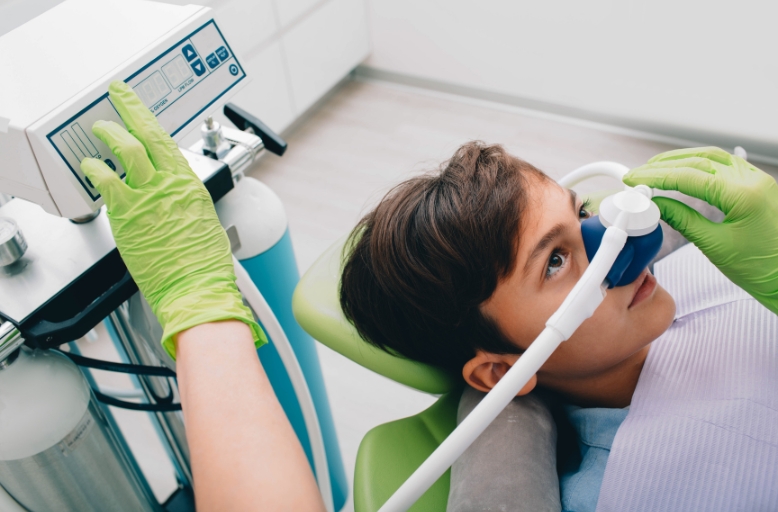
When your child feels nervous about a dental visit, safety is usually your first concern. Many parents wonder if sedation is truly appropriate for younger patients or if it carries risks. These questions are entirely valid, especially when your child’s comfort and well-being are at stake. Dental anxiety can make even routine visits feel overwhelming for children, which often leads parents to explore options that can make the experience easier and less stressful.
A qualified children’s dentist in Alpharetta uses carefully selected methods, strict protocols, and continuous monitoring to prioritize safety at every step. Sedation is not used casually; it is recommended only when it can improve both comfort and treatment outcomes. With modern techniques and established guidelines, sedation dentistry has become a reliable way to help children receive the care they need without fear. Understanding how sedation works, when it is appropriate, and what to expect can help you make informed, confident decisions about your child’s dental care.
What Is Pediatric Sedation Dentistry?
Pediatric sedation dentistry focuses on helping children stay calm and relaxed during dental procedures. It is commonly recommended for children who experience fear, have difficulty sitting still, or require more involved treatment.
Unlike general anesthesia used in hospitals, most dental sedation methods are mild and designed to keep your child responsive and safe. The goal is not to “put them to sleep,” but to reduce anxiety and improve cooperation.
Dental teams trained in pediatric sedation dentistry follow strict clinical guidelines established by organizations such as the American Academy of Pediatric Dentistry and the American Dental Association. These guidelines ensure that sedation is used only when appropriate and administered in a controlled environment.
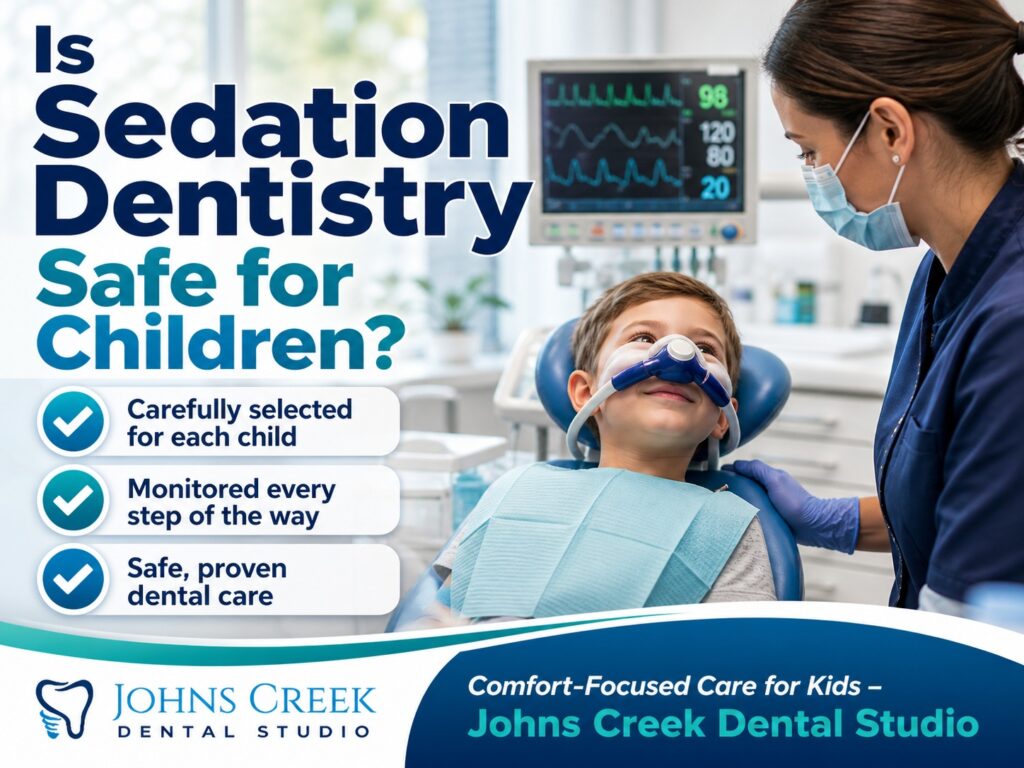
Is Sedation Dentistry Safe for Kids?
The short answer is yes, when performed by trained professionals following established protocols. Safety in pediatric dental sedation depends on three critical factors:
- Proper Case Selection: Not every child needs sedation. A qualified children’s dentist in Alpharetta evaluates medical history, behavior, and treatment complexity before recommending it.
- Appropriate Sedation Type: The level of sedation is matched to the child’s needs, ensuring minimal exposure while achieving comfort.
- Continuous Monitoring: Vital signs, including heart rate, oxygen levels, and breathing, are closely monitored throughout the procedure.
Research and clinical experience consistently show that the safety of dental sedation for kids is very high when these steps are followed. The risks are low, especially with commonly used mild sedation options.
When Is Sedation Recommended for Children?
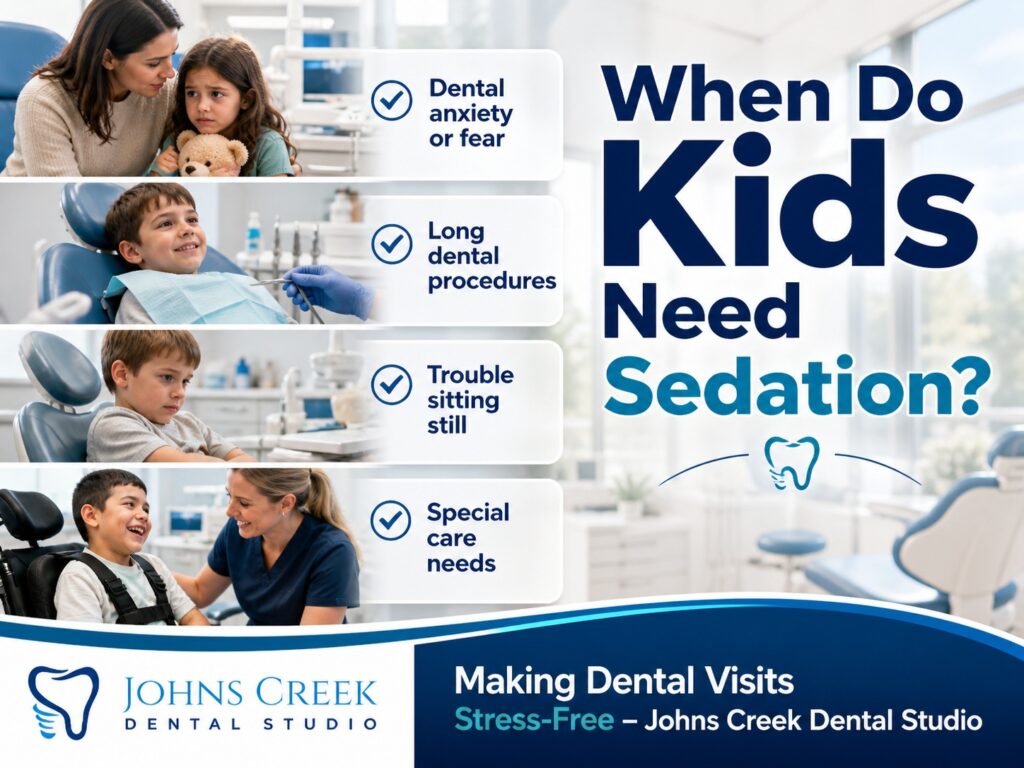
Sedation is not used routinely. It is recommended in specific situations where it improves both safety and treatment outcomes.
Common scenarios include:
- Severe dental anxiety in children that prevents cooperation
- Very young patients who cannot sit still for long periods
- Children with special healthcare needs
- Extensive dental procedures requiring longer chair time
- Strong gag reflex or sensory sensitivities
In these cases, sedation helps avoid repeated visits and reduces emotional stress for both the child and parent.
Types of Sedation Used in Pediatric Dentistry
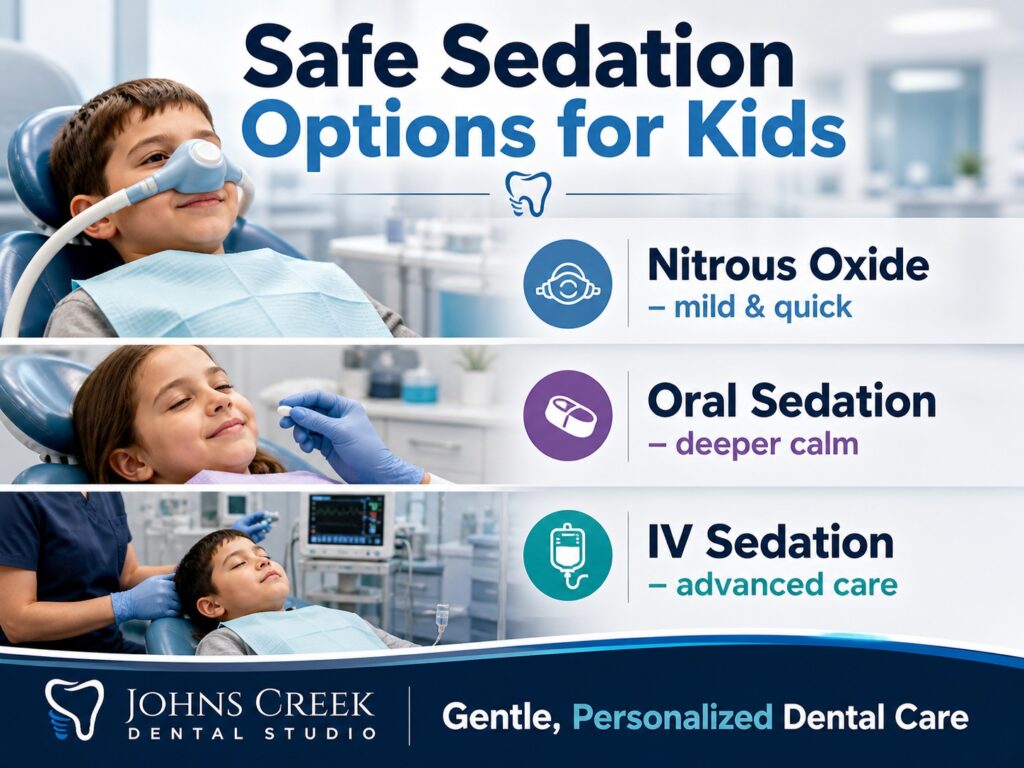
Understanding the available options can help you feel more informed and comfortable.
- Nitrous Oxide (Laughing Gas)
One of the most common methods, nitrous oxide for children is mild, fast-acting, and wears off quickly. Your child remains awake but relaxed, often feeling calm and slightly drowsy.
- Oral Sedation
This involves a prescribed medication taken before the appointment. It helps reduce anxiety and creates a deeper level of relaxation than nitrous oxide.
- IV Sedation
Used in more complex cases, IV sedation allows for a controlled and deeper level of relaxation. It is typically administered by trained professionals with advanced monitoring.
Each method is selected based on your child’s specific needs, not as a one-size-fits-all approach.
What Makes Pediatric Sedation Safe?
Safety is built into every step of the process. Here is what typically happens behind the scenes:
- Thorough Pre-Visit Evaluation: The dental team reviews your child’s health history, medications, and any underlying conditions.
- Weight-Based Dosage: Sedation levels are carefully calculated based on your child’s age and weight.
- Specialized Training: Dentists providing sedation complete advanced training in pediatric care and emergency management.
- Monitoring Equipment: Modern dental offices use equipment to track oxygen saturation, pulse, and breathing throughout the procedure.
- Emergency Preparedness: Teams are trained to respond immediately to any unexpected reactions, though such events are rare.
These layers of protection ensure that sedation remains a controlled and predictable part of treatment.
What Should Parents Expect Before and After Sedation?
Preparation and aftercare play an important role in your child’s experience.
Before the Appointment
- You may be asked to limit food and drink for a few hours
- Clear instructions will be provided based on the sedation type
- Your child should wear comfortable clothing
During the Visit
- The dental team explains the process in simple terms
- Monitoring begins before sedation is administered
- The procedure is completed while your child remains relaxed
After the Procedure
- Mild grogginess is common for a short time
- Most children recover quickly, especially with nitrous oxide
- You will receive clear aftercare instructions
Parents often notice that children remember very little of the procedure, which can reduce fear of future visits.
How Sedation Helps Improve Long-Term Dental Health
Sedation is not just about comfort during one visit. It can shape your child’s long-term relationship with dental care.
Children who have calm, positive experiences are more likely to:
- Return for regular checkups without fear
- Maintain better oral hygiene habits
- Avoid delaying necessary treatments
In contrast, negative early experiences can lead to long-term avoidance and worsening oral health. Sedation, when used appropriately, helps break that cycle.
Choosing the Right Pediatric Dental Provider
Not all dental practices offer the same level of sedation care. When evaluating options, consider the following:
- Experience with pediatric patients
- Training in sedation techniques
- Clear communication with parents
- A calm, child-friendly environment
- Adherence to guidelines from the American Academy of Pediatric Dentistry and the American Dental Association
A well-prepared team prioritizes safety, comfort, and transparency at every step.
Local community connection: We proudly serve families in Alpharetta and nearby areas like Johns Creek, Roswell, Milton, and Suwanee.
A Calmer Way to Care for Your Child’s Smile
Choosing sedation dentistry is not about taking shortcuts. It is about making thoughtful decisions that support your child’s comfort and well-being. With modern techniques and strict safety standards, sedation has become a reliable option for children who need extra support during dental care.
If your child feels anxious or requires more involved treatment, discussing sedation options can help you move forward with clarity. A careful, personalized approach ensures your child receives the care they need in a way that feels manageable for everyone involved.
Addressing Common Concerns About Sedation
Will My Child Be Fully Asleep?
In most cases, children are not fully asleep during dental sedation. They remain awake but deeply relaxed and comfortable. Mild sedation allows them to respond to instructions while reducing fear, making the visit smoother and less stressful.
Are There Side Effects?
Sedation is generally well tolerated, with only mild side effects in some cases. Children may feel drowsy or slightly nauseous afterward, but these effects usually fade quickly. Dental teams monitor closely to ensure a safe and comfortable recovery.
Is It Better to Avoid Sedation?
Avoiding sedation is not always the best approach, especially for anxious children. Without it, treatment may become overwhelming or incomplete. Sedation helps create a calm experience, allowing necessary care to be completed safely and without emotional distress.
How Do I Know It’s the Right Choice?
The right decision starts with a thorough consultation. The dental team reviews your child’s health, behavior, and treatment needs. They explain all available options clearly, helping you choose an approach that balances safety, comfort, and effective care.
If your child feels anxious or requires more involved treatment, discussing sedation options can help you move forward with clarity. Give us a call today at Johns Creek Dental Studio to schedule an appointment. A careful, personalized approach ensures your child receives the care they need in a way that feels manageable for everyone involved.